🌿 African Painted Dogs Eat Fruit 🤓 A New Scientific Discovery

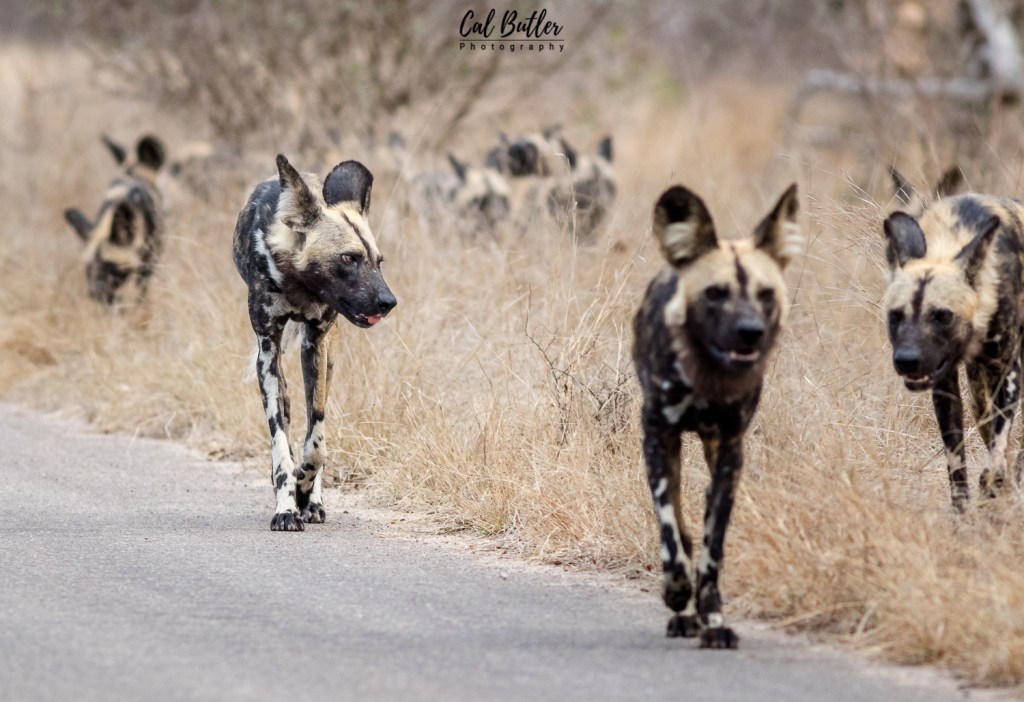
African painted dogs (Lycaon pictus) are often described as strictly carnivorous, highly specialized pack hunters that rely almost entirely on meat. But a recent field study from northern Botswana reveals something unexpected: African painted dogs have been observed eating fruit.

Researchers observed a denning pack in the Okavango Delta repeatedly foraging under jackalberry trees (Diospyros mespiliformis), carefully picking up fallen berries and swallowing them whole. This behavior was recorded over 20 out of 27 observation days, involving multiple pack members, often right before hunts.

This is the first documented case of frugivory (fruit-eating) in African painted dogs — a species long thought to be “hyper-carnivorous.”

Why this is very cool?

  • 🍓 It shows dietary flexibility, even in highly specialized predators
  • 🌱 It suggests painted dogs may play a small role in seed dispersal
  • 🐾 It challenges rigid ideas about what wild carnivores “should” eat
  • 🌍 It reminds us that animal behavior is shaped by opportunity, culture, and environment

Other canids like foxes, jackals, and maned wolves are known to eat fruit — and now African painted dogs join that list.

Nature is always more complex, adaptive, and surprising than we assume.

📖 Source

Claase, M.J. & McNutt, J.W. (2025). Frugivory in African wild dogs in northern BotswanaCanid Biology & Conservation, 28(4): 15–18. African_wild_dog_frugivory

A Victory for Asha and the Quartz Pack

I’m so happy to share some incredible news! After spending over 18 months in captivity, Asha — a beautiful Mexican wolf — and her young family have finally been freed.

Many of you will remember Asha from my earlier post urging people to sign the petition for her release. Twice, she made the brave journey north into New Mexico, crossing the human-made boundary of Interstate 40. For simply following her instincts and exploring new territory, she was captured and confined — taken from the wild she belonged to.

But thanks to the voices of people across the country who spoke up for her, Asha is free again. Alongside her mate, Arcadia, and their pups, she is now part of the wild once more. Together, they are known as the Quartz Pack — a name that feels as strong and enduring as their spirit.

This is more than just one family’s freedom. It’s a reminder of the resilience of wolves and their right to roam. Asha’s pups will also bring much-needed genetic diversity to the critically endangered population of Mexican wolves, also called lobos.

This victory belongs to everyone who refused to stay silent — and to Asha herself, who never gave up on the wild.

Here’s to the Quartz Pack, and to every wolf who still runs free. 🐺✨

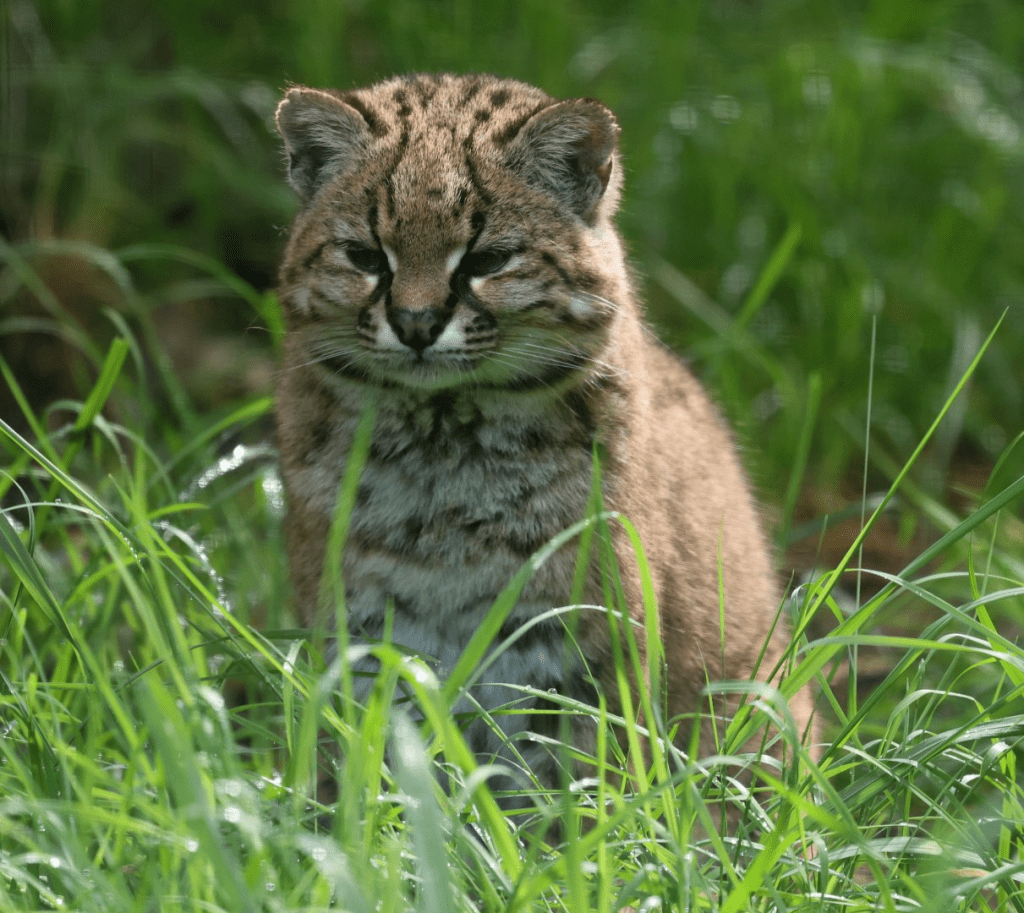
Meet the Güiña: The Tiny Wild Cat of Southern Chile

Photo by Pía Vergara, via Ladera Sur

The güiña, also known as the kodkod, is the smallest wild cat in the Americas—and one of the least known. But this rare feline has a big story. Native to the temperate rainforests of southern Chile and parts of Argentina, the güiña is elusive, solitary, and deeply woven into the landscape and culture of the region.

Its Mapudungun name—“güiña”—is a reflection of the Indigenous roots of its homeland. The scientific name, Leopardus guigna, may sound big, but the cat itself is tiny—usually no larger than a house cat, with spotted fur, rounded ears, and a tail nearly as long as its body.

Despite its small size and shy nature, the güiña plays an important role in its ecosystem as a predator of small mammals and birds. Sadly, its forest home is shrinking. As logging, agriculture, and urbanization continue to spread, the güiña faces increasing threats from habitat loss and fragmentation. It’s also sometimes killed by humans who mistakenly believe it preys on chickens or other domestic animals.

Today, the güiña is listed as Vulnerable on the IUCN Red List. With an estimated population decline of over 30% in the past decade, conservation efforts are more important than ever.

Credit: Photo taken at the private facility of Fauna Andina, Nov 2024 . By an unidentified contributor, via ZooChat

But there is hope.

Many organizations and researchers are working to protect this mysterious little feline. Here are a few ways you can help:

The güiña may be small, but she carries an ancient spirit—one that deserves space, safety, and a future. 🌲🐾

Photo credit: Nicolás Gálvez, via Wikimedia Commons