Mother Nature’s Design: How Coyotes Stay Wild


“Even if a litter of coy-dog pups is successfully reared by the mother alone, these hybrids must later face still-greater obstacles…”
Hope Ryden, God’s Dog

There’s something quietly powerful about the way Mother Nature watches over the coyote.
Though domestic dogs and coyotes can sometimes mate, nature steps in — with timing, instinct, and biology — to gently hold the coyote’s wildness in place.

It’s not rigid or aggressive.
It’s simply designed that way.


A Matter of Timing

Coyotes follow a different rhythm than domestic dogs.
They breed only once a year, in late winter — a natural clock set by the land itself.

Dogs, on the other hand, can mate at any time.
So while a pairing between a male dog and a female coyote is possible, it’s rare.
And what happens next is even more interesting.


Hope Ryden’s Wisdom on Coy-Dogs

In her beautiful and thorough book God’s Dog, author and naturalist Hope Ryden explains how hybrid offspring — called coy-dogs — quickly lose their connection to the wild.

“Both male and female coy-dogs come into heat in the fall, three to four months earlier than do pureblood coyotes. Thus, they can never mate back to the wild side of their family.”

In other words, they’re out of sync.
Their internal calendar doesn’t match that of wild coyotes —
so they can’t pass their genes back into the coyote world.


And Then Comes Winter…

Even if coy-dogs do find mates, their litters are born in the middle of winter
the hardest time of year for pups to survive.

“Any issue born to it must meet life during the harshest time of year, in midwinter, and the prospect of such an unfortunate litter surviving under wild conditions are poor indeed.”

Unlike coyotes, who raise their young as a pair, male coy-dogs tend to follow their domestic lineage — they don’t help care for the pups.
So the mother is left alone, in deep winter, with little chance of feeding or protecting her young.

“It is doubtful, therefore, that a coy-dog female can, by herself, find sufficient food during the winter months to nurse and feed a litter.”


What Does This Mean?

It means that over time, Mother Nature quietly prevents hybridization.
Not through force — but through timing.
Through seasons.
Through the instincts written into every heartbeat.

Coyotes remain wild not because they resist change…
but because they are already perfectly adapted to their place in the world.

“It is unlikely that a race of wild coy-dogs has arisen or ever will arise,”
Ryden concludes.


Something to Marvel At

Rather than fearing “mongrelization,” or trying to interfere with wild populations, we might simply pause and admire the subtle brilliance of nature’s system.

Coyotes aren’t broken.
They don’t need reshaping.
They already belong — exactly as they are.
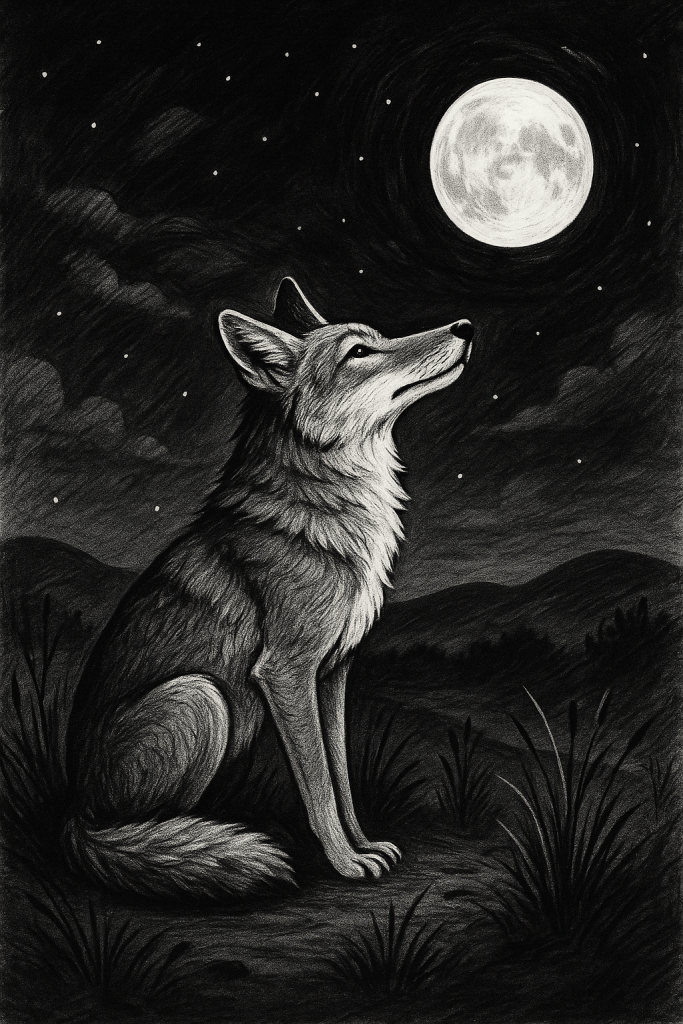

What About Black Coyotes?


If coyotes are so protected by Nature, you might wonder — what about the black ones?
Like Carmine, the striking black coyote seen in urban and forested landscapes — where did he get his rare coat?


The answer is both surprising and beautiful.


Black coyotes carry a genetic mutation that originally came from domestic dogs.
Scientists believe the black coat gene — a variation on the K locus — was introduced into the coyote population thousands of years ago, likely through early contact with Indigenous dogs in North America.


But here’s where Nature steps in again.


Instead of allowing the entire coyote species to change, Mother Nature selected for the black coat only in places where it helped them survive — in wooded environments, where dark fur offers camouflage and better hunting advantage.


So yes — the origin of the black coat is domestic.
But its presence today? That’s natural selection at work.


Coyotes like Carmine are still wild, still part of the songdog lineage —
they just carry a mark of something ancient.
A soft echo of a one-time crossing.
A reminder that even when genes mix, Nature decides what stays.
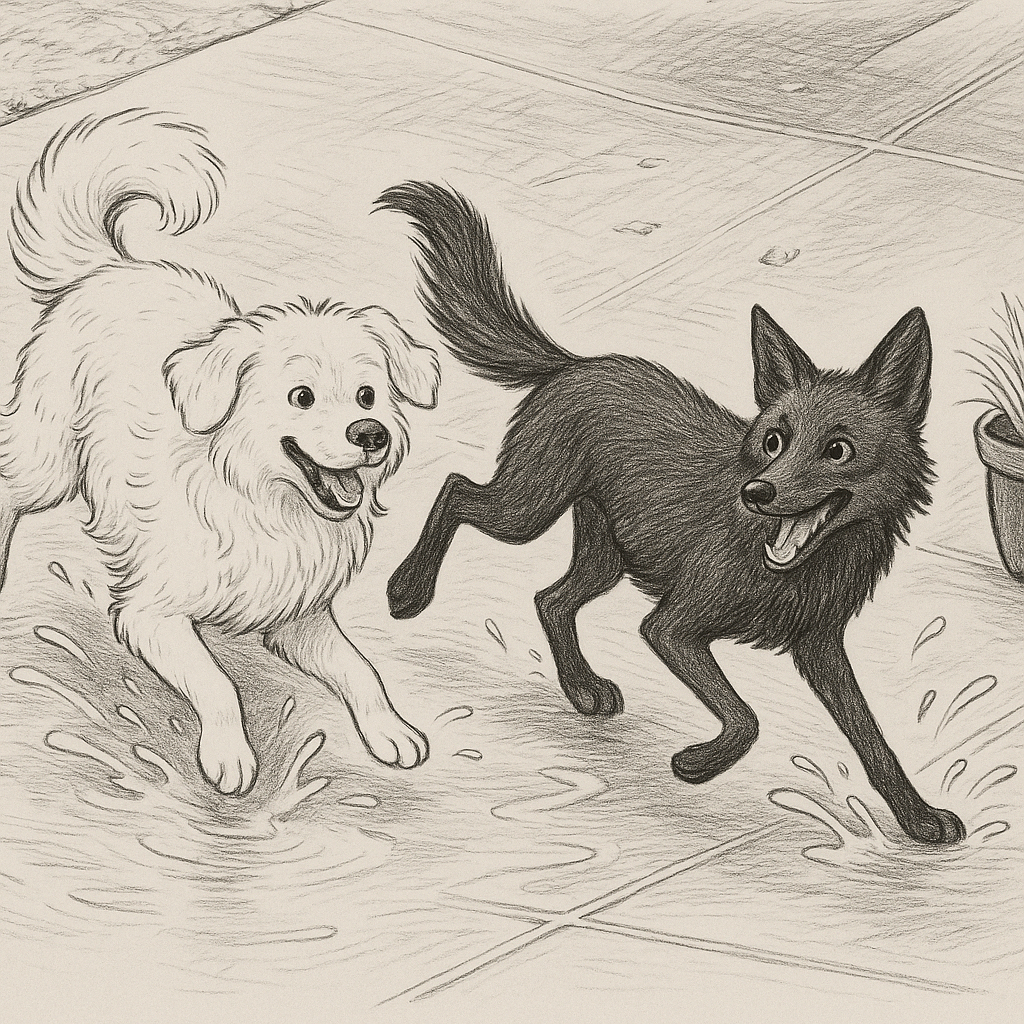


Is Carmine Really a Coyote?


Yes — DNA testing at Yellow River Wildlife Sanctuary confirmed that Carmine is 100% coyote.
Though some people question his black coat, it’s important to know that black coyotes are naturally occurring, especially in places like North Carolina, parts of the southeastern U.S., and other warmer forested regions.


The black coat comes from a recessive gene (on the K locus) that was introduced long ago through ancient contact with domestic dogs. But over generations, this gene became part of the natural coyote population and is now selected for in certain environments, especially where dark fur offers better camouflage.


So while the origin of the coat color may be ancient, Carmine’s spirit, genetics, and behavior remain fully wild.


His appearance may challenge expectations —
but his essence is pure songdog.


🐺

Meet the Ethiopian Wolf: The Rarest Wild Canine in Africa

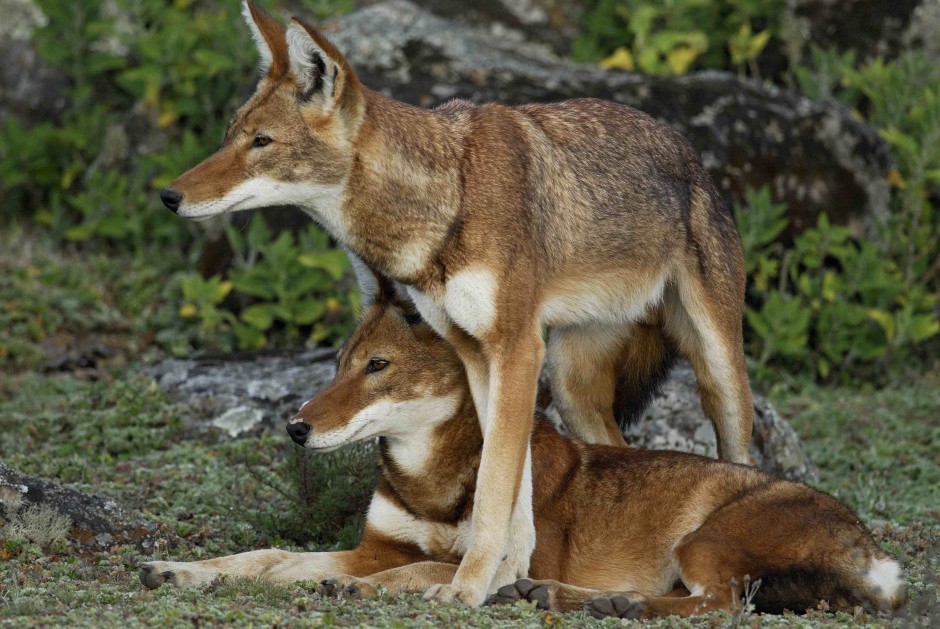
An Ethiopian wolf watches the highlands. Photo by Shutterranger (via Rainforest Trust)

Graceful. Solitary. Endangered.

You may never have heard of the Ethiopian wolf—and you wouldn’t be alone.
It’s one of the world’s most endangered canids, with fewer than 500 individuals left in the wild. Yet this elegant, fox-like creature has roamed the highlands of Ethiopia for thousands of years.

Photo by Delphin Ruche, courtesy of the Ethiopian Wolf Conservation Programme (www.ethiopianwolf.org). Used for educational and awareness purposes

I first learned about them through a nature documentary. They looked like red coyotes, slender and alert, moving through mist-covered grasslands like spirits of the mountain.

But they’re not coyotes—they’re Canis simensis, a species found nowhere else on Earth.

They live high in the Ethiopian mountains, in places where the air is thin and the land feels ancient. They hunt alone, feeding mostly on rodents like mole rats and giant grass mice. Yet they live in close-knit family packs, with deep social bonds and a quiet strength.

Like many wild animals, their biggest threat is not nature—it’s us.
Habitat loss. Disease from domestic dogs. Climate change. Isolation.
And still, they endure.

The Ethiopian wolf may be rare, but it matters.
It reminds us that wildness still exists in corners we’ve forgotten.
And that every species deserves to be seen.

If this beautiful canid touched your heart, here is an organization you can check out:

Photo by Will Burrard-Lucas, from The Ethiopian Wolf Project. Used with respect for educational awareness.

https://willbl.com/

Dr. Stanley D. Gehrt, a renowned wildlife ecologist, has dedicated over two decades to studying urban coyotes, particularly through the Urban Coyote Research Project based in the Chicago metropolitan area. His book, Coyotes Among Us, co-authored with Kerry Luft, provides an in-depth look into how these adaptable predators have seamlessly integrated into urban environments across North America.

Key Insights from Coyotes Among Us:

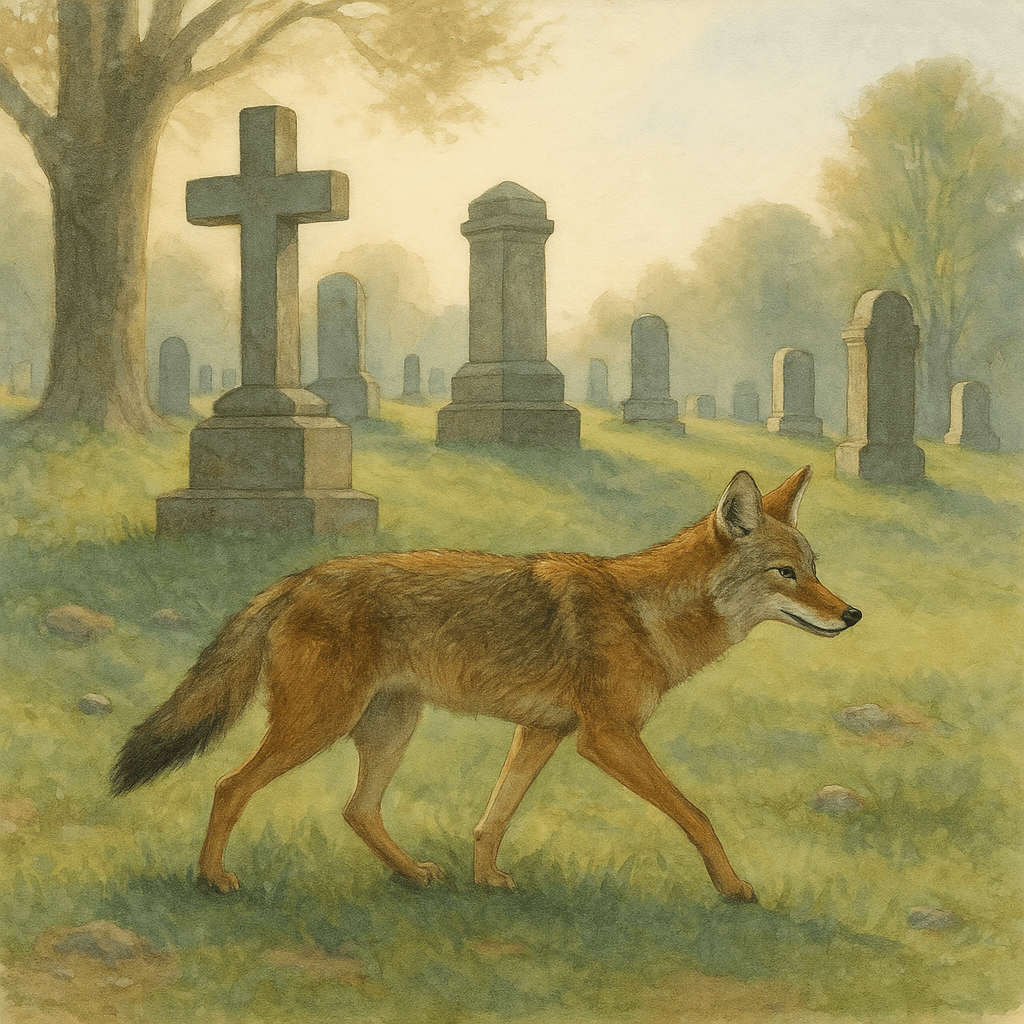
Adaptability in Urban Landscapes: Gehrt’s research reveals that coyotes have not only survived but thrived in urban settings, utilizing green spaces such as cemeteries, golf courses, and airport grounds. These areas offer minimal human disturbance and abundant resources, making them ideal habitats for coyotes.

Human-Wildlife Coexistence: The book emphasizes the importance of understanding and coexisting with urban coyotes. Gehrt dispels common myths and highlights the ecological benefits coyotes bring, such as controlling rodent populations.

Behavioral Observations: Through detailed observations, Gehrt showcases the complex social structures and behaviors of coyotes, challenging the negative perceptions often associated with them.

Dr. Gehrt’s Contributions Beyond the Book:

Educational Outreach: Gehrt actively shares his findings through public talks and presentations, aiming to educate communities about urban coyotes and promote harmonious coexistence.

Research Leadership: As the Principal Investigator of the Urban Coyote Research Project, Gehrt continues to lead studies that deepen our understanding of how coyotes adapt to urban environments.

For those interested in delving deeper into Dr. Gehrt’s work and insights, the following presentation offers a comprehensive overview:

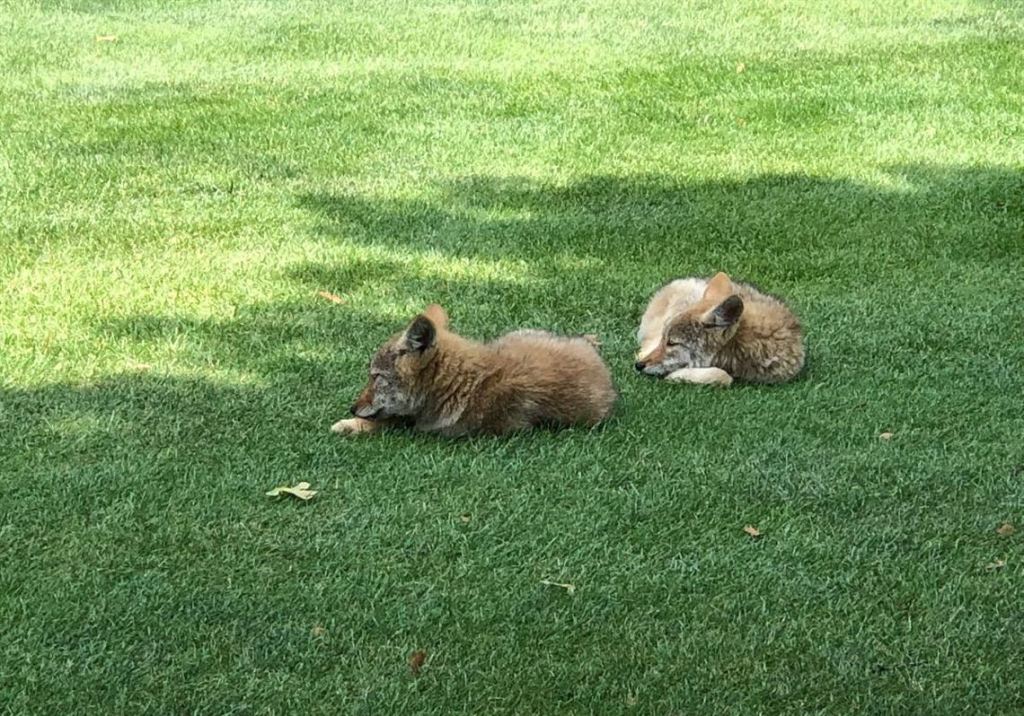
Two young coyotes rested quietly on a sunlit fairway at Ottawa Park Golf Course, unfazed as golfers passed nearby. (Photo by Tom Names)

Coyotes Are Still Here—But For How Long?


There’s a conservation saying that should make all of us think:

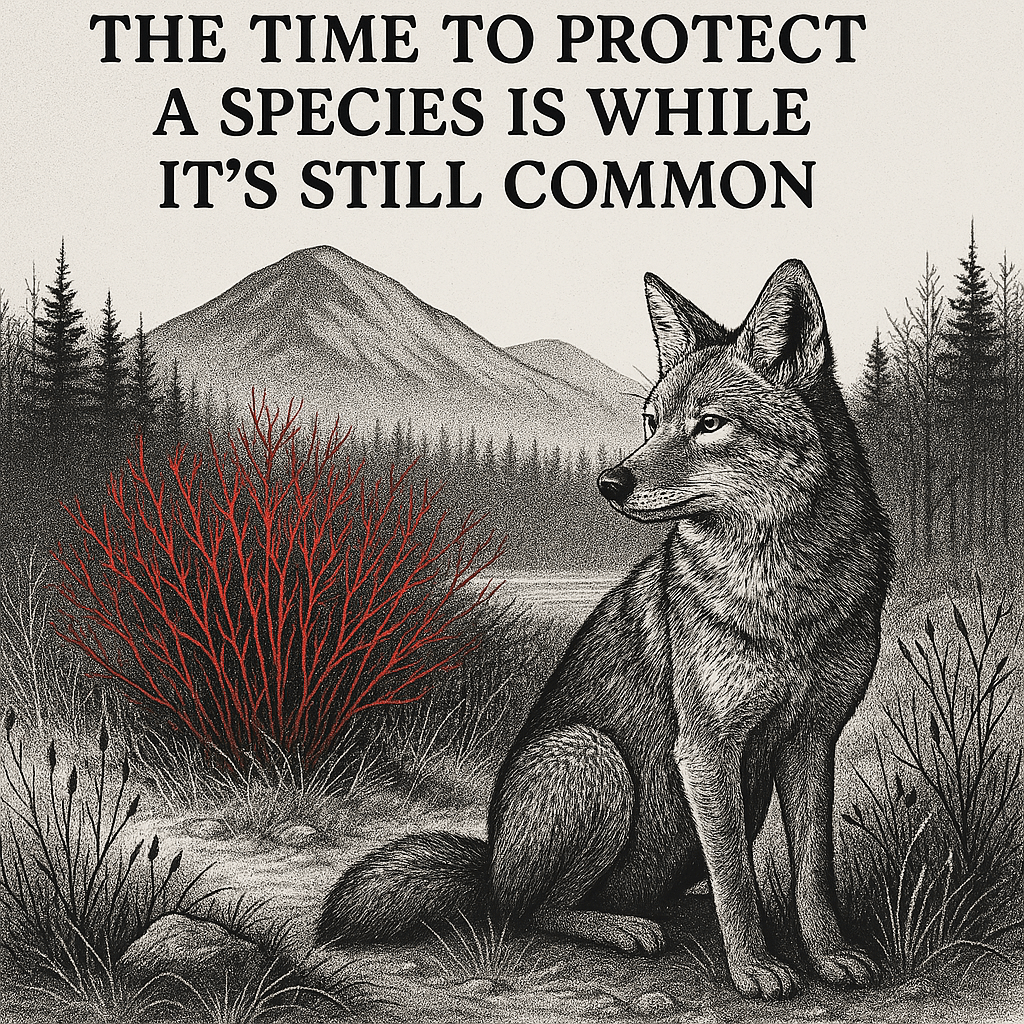
“The time to protect a species is while it’s still common.”


Coyotes are a native species in Canada. They’ve lived on this land long before cities, highways, or borders. They are intelligent, adaptable, social animals. And yet—they are offered no real legal protection across much of the country.


In most provinces, coyotes can be hunted year-round, often with no limit. They are trapped, poisoned, and even targeted in wildlife killing contests—competitions that reward people for killing the most or biggest coyotes. These are legal. Not regulated. Not questioned.


The Canadian government treats coyotes as if their abundance is a reason to ignore them. But population numbers are not an excuse for cruelty.


Persecution doesn’t just hurt coyotes—it disrupts ecosystems, fragments social bonds within packs, and actually increases conflict.


Science shows that when coyotes are aggressively hunted, they respond by having larger litters and spreading into new areas.
In other words: killing more coyotes doesn’t solve anything—it makes things worse.


We should be proud to share this land with native animals. Instead, we’re allowing outdated fears and unscientific policies to guide how we treat them.


Coyotes don’t need to be endangered to deserve protection.
They just need to be seen.
And it’s time we start seeing them differently.

National Coyote Day

Today marks the 7th and final day of Coyote Awareness Week, and fittingly, it’s also National Coyote Day in the U.S. There’s no better time to mention how incredibly family-oriented coyotes are.

Coyotes: Loyal Mates, Devoted Parents

Coyotes form lifelong bonds. In over 10 years of tracking urban coyotes in Chicago, wildlife biologist Dr. Stanley Gehrt never observed a single instance of cheating between mated pairs. These animals stick together, co-parent their pups, and create tight-knit family units.

Both mom and dad share parenting duties equally. While the mother stays close to the den nursing the pups, the father works hard to bring back food and protect the territory. They also teach their pups how to hunt and survive in the wild. And if tragedy strikes? Coyotes adapt. In one of Dr. Gehrt’s studies, when a coyote mother died, the father took over full-time parenting, raising the pups on his own — a rare trait in the wild.

Adoption and Compassion in the Wild

Coyotes also have strong maternal and paternal instincts, so strong that they sometimes take in pups that aren’t even their own. In one remarkable case, Gehrt and his team found two different litters sharing a single den — one unrelated to the primary coyote pair. Whether it’s adopting orphaned pups or allowing older siblings to help with the next litter, coyotes prove time and again that their family bonds go beyond blood.

A Vulnerability Exploited

Ironically, it’s this deep sense of care that has made coyotes vulnerable to certain hunting practices. Hunters have been known to use distress calls mimicking yelping or crying pups to lure adult coyotes into traps or shooting range. It’s a heartbreaking tactic — one that depends entirely on the coyote’s instinct to protect and respond to family in need 😔


A Sacred Presence

Beyond their role in the wild, coyotes hold a deep spiritual significance for many Indigenous cultures across North America — the only continent they call home. Often seen as tricksters, teachers, and guides in Native storytelling, coyotes represent transformation, adaptability, and the balance between light and shadow.

To some, the coyote is a symbol of resilience — of laughing in the face of hardship, of finding creative ways to survive. In shamanic traditions, the coyote can appear in dreams or visions as a messenger, nudging us to see things differently or embrace change with a curious heart.

As we celebrate National Coyote Day, let’s not only honor the coyote’s role in the ecosystem — but also their sacred place in the spirit and story of this land.


How You Can Celebrate National Coyote Day

If you’re feeling inspired by these incredible animals, there are a few simple ways you can show your appreciation and compassion for coyotes today — and every day:

  • Learn and Share: Spread awareness about the true nature of coyotes — as loyal mates, nurturing parents, and essential parts of healthy ecosystems. The more people know, the more they care.
  • Respect Their Space: If you live in or near coyote territory, give them space and avoid feeding them. Coexistence starts with understanding boundaries.
  • Support Ethical Wildlife Policies: Advocate for humane and science-based wildlife management in your community. Oppose inhumane hunting practices that exploit coyote family bonds.
  • Celebrate Online: Post your favorite coyote facts, stories, or artwork on social media using hashtags like #CoyoteAwarenessWeek or #NationalCoyoteDay to help shift the narrative around these misunderstood animals.
  • Connect with Local Wildlife Groups: Support or volunteer with organizations that work on coyote conservation and urban wildlife education.

Coyotes are more than clever survivors — they’re caretakers, communicators, and contributors to the wild world around us. Today’s a great day to honor them with a little kindness, curiosity, and respect.

Happy National Coyote Day!

Day 6 of Coyote Awareness Week

Coyotes Mate for Life

It’s Day 6 of Coyote Awareness Week, and today we’re shining a light on one of the most heartwarming things about coyotes: they’re incredibly loyal lovers.

Coyotes, native to North America, are famous for their adaptability, but what often flies under the radar is their deep commitment to their partners. Once they pair up, they usually stay together for life—hunting, raising pups, and sticking by each other’s side through thick and thin. During mating season, the male practices mate guarding, staying close to his partner to ensure their bond stays strong.

Researchers have seen this play out time and time again. A study from Ohio State University found, “We found no evidence of polygamy, either for males or females… Coyotes are monogamous—even when given the opportunity to cheat.”

Wildlife biologist Stan Gehrt explains why that loyalty matters: “Unlike the males of polygamous species, a male coyote knows that every one of those pups is his offspring and has a clear genetic stake in helping them survive.”

Even more touching, some coyote pairs stay together for a decade or more. “We’ve been able to follow some of these alpha pairs through time, and we’ve had some of them stay together for up to 10 years,” Gehrt said. And as researcher Hennessy put it, “They separate only upon the death of one of the individuals, so they truly adhere to that philosophy, ‘Till death do us part.’”

So next time you hear a coyote howl under the stars, it might just be one half of a ride-or-die.

Coyotes: clever, committed, and romantic.

Day 5 of Coyote Awareness Week

Why Coyote Relocation Does More Harm Than Good

Coyotes are often misunderstood creatures, and when they show up in urban or suburban areas, people sometimes assume the best solution is to trap and relocate them. It sounds like a humane choice—move the animal to a safer, more “natural” place—but in reality, relocation often causes more harm than good.

Coyotes Know Their Home Best

Like most wildlife, coyotes establish territories based on food availability, shelter, and social dynamics. When a coyote is removed from its home range, it’s suddenly thrown into unfamiliar surroundings. It has to compete with other coyotes for resources, find new shelter, and avoid new dangers. Many relocated coyotes struggle to survive and often don’t make it.

The Empty Space Doesn’t Stay Empty

Nature doesn’t like a vacuum. Removing a coyote from its territory doesn’t solve the “problem” people are trying to fix. Instead, it creates an open spot that other coyotes will eventually move into. This can actually increase local coyote activity, as younger, less-experienced animals take over the space and may be less cautious around humans.

The Humane Alternative: Coexistence

The best way to handle coyotes is to allow them to remain in their established territories while using simple coexistence strategies. Securing garbage, keeping pets indoors at night, and using humane deterrents can prevent conflicts without disrupting the natural balance. Over time, resident coyotes help keep populations stable and maintain a healthy ecosystem.

Coyotes aren’t the enemy—they’re simply trying to survive. Relocating them often leads to suffering and unintended consequences. Instead of removing them, understanding their role and making small changes can lead to peaceful coexistence. Nature has a way of balancing itself if we just let it.

🌕🐺🐺🐺🐺🐺🐺🐺🐺🐺🐺🌕

This is coyote 434 from the Urban Coyote Research project.


The Reality of Relocation

The Urban Coyote Research Project studied relocated coyotes and found that they don’t stay where they’re released. Instead, they try to return to their original territory—often with tragic results.

“Although the primary objectives of the Cook County Coyote Project did not involve relocating coyotes, we did monitor 12 relocated nuisance (or rehabilitated) coyotes from the city of Chicago to document their movements and fates. We found that no relocated coyotes remained at their release site despite being located in favorable coyote habitat (usually they were gone within 48 hours or less), and each of them traveled in the general direction of their origin. No coyotes made successful returns, and most were killed by cars or hunters as they left the release site.” — Urban Coyote Research Project

This study reinforces why relocation isn’t the answer. Instead of removing coyotes, the best approach is to let them stay in their established territories and use simple coexistence strategies to avoid conflicts. In the long run, it’s better for the animals—and for us.


Day 4 of Coyote Awareness Week

This is a passage from the book Coyote America by Dan Flores.

Bright Lights, Big Cities

Photo by Johanna Turner


If it seems counter intuitive that a predator like a coyote would find life in town to be fat-city, consider this additional evidence; in rural Illinois, where residents shoot, trap, and harass coyotes, only 13 percent of coyote pups survive to maturity. In the Chicago metropolitan area, a whopping 61 percent of coyote pups survive to adulthood. Like human adolescents, male coyote pups are always the most at-risk pack members. the easiest to trap or poison or shoot. But in town young male coyotes tend to survive at the same rate as females.

In fact, only in preserved wildlands like national parks does coyote survivability compare to what coyotes experience in cities. For a twenty-first century coyote, town life is pretty obviously the good life, especially compared to the dangers of rural America. We’re going to have to start imagining cities as twenty-first-century coyote preserves in much the way national parks were in the twentieth century.


If you want to buy this amazing book, click here for US customers or here for Canadian customers.

Today is Day 3 of Coyote Awareness Week

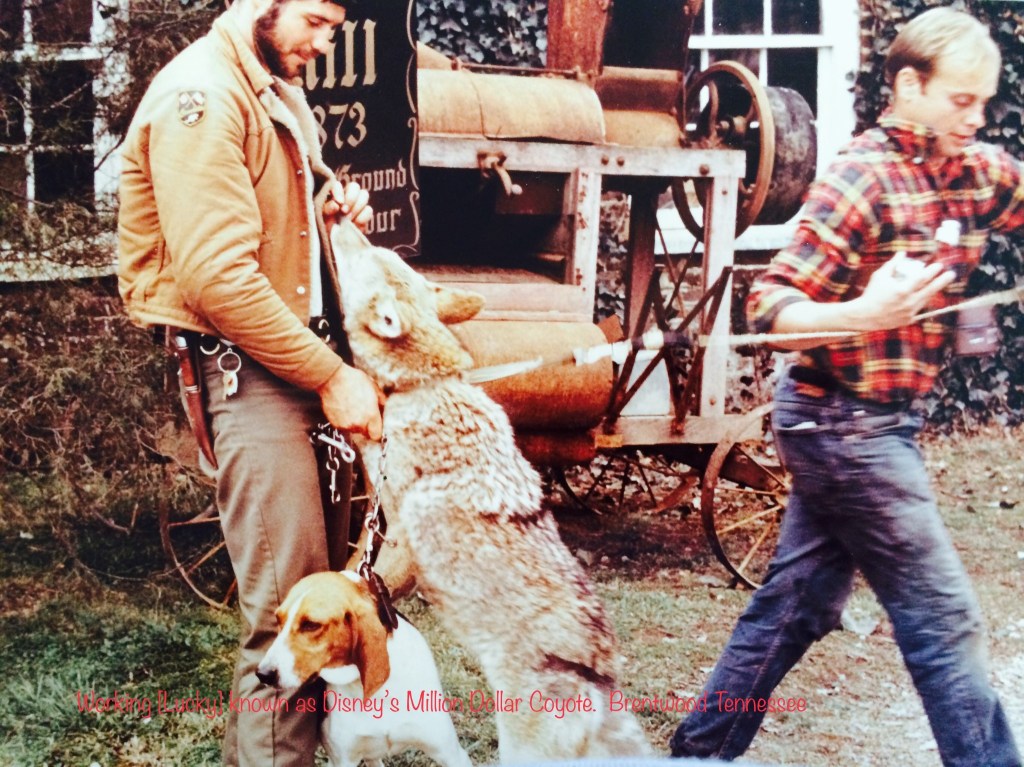
The Nashville Coyote

The Nashville Coyote album and film.

This is the album cover ^^^^

The Tracklist

1. Talkin’ Blues

2. Goin’ Where The Rails Go

3. Before I Met You

4. Hanging On the Fringe of Music City

5. Coyote Blues

6. You Can’t Go In the Red Playin’ Bluegrass

7. That Little Tune

8. The Last Longhorn

9. Goin’ Back

10. Down In Nashville, Tennessee

The Nashville Coyote film aired on October 1, 1972. Directed by Winston Hibler.

A surprised coyote stowaway on a freight train ends up in Nashville where he meets a friendly beagle and an aspiring songwriter. The songwriter is unable to sell his songs, so he returns to California, taking the coyote back to his desert home. Stars Walter Forbes, William Garton, Eugene Scott, Michael Edwards. Narrated by Mayf Nutter.

^^^You can watch the movie here.

Day 2 of Coyote Awareness Week!

Meet Ricky Bobby

This little guy was adopted by another coyote named Weave. Ricky Bobby was most likely orphaned and Weave saved him.

The little coyote named Ricky Bobby eventually went back to the wild in late Sept 2024.

If you would to see more of Weave the coyote, head over to Timmy Mc.

Why killing coyotes doesn’t work

When coyotes are killed, especially adults, the remaining coyotes often increase their reproductive rates to compensate for the loss. Females may have more pups in the next breeding season, or the surviving pack members may breed earlier or more frequently. This “compensatory reproduction” is a well-documented phenomenon in many animal species when their numbers are reduced by hunting or trapping.

Coyotes live in complex social structures, with dominant alpha pairs leading packs. When these dominant members are killed, other members of the pack may step up to take their place, and in some cases, subdominant coyotes may breed more. This can lead to increased reproductive output and larger litters of pups.

Coyotes are territorial animals, and when one coyote is removed from an area, it creates a “vacuum” that other coyotes quickly fill. New coyotes moving into the area may breed quickly and produce more offspring to establish their territory. This territorial replacement can contribute to a rise in coyote numbers in a given region.

If coyotes are killed in one area, coyotes from nearby regions may migrate into the area to replace those lost. These newcomers may breed and repopulate the area even faster than the original population.

In nature, species like coyotes fulfill an important ecological role in regulating other populations (e.g., rodents, rabbits, etc.). Removing coyotes can upset this balance, potentially leading to overpopulation of prey species. The increased numbers of prey may, in turn, attract more coyotes from nearby areas, ultimately leading to no net reduction in the overall population.

Sustainable, non-lethal management methods are more effective in controlling coyote numbers.