
Tucked away on the western edge of Montreal is one of my favorite places in the world—a place that is more like a sanctuary than a zoo. A forever home for those who can’t return to the wild. A place where healing, curiosity, and love for Québec’s native wildlife come together.
It’s called the Écomuseum Zoo, and I hope that if you care about animals, you’ll visit, support, and maybe even love it like I do.
More Than a Zoo
The Écomuseum is home to animals that were either injured, orphaned, or deemed non-releasable. These animals are not just on display—they’re cared for with deep respect. Every habitat is created with the animals’ comfort in mind. There’s no exotic species here—only animals native to Québec: the ones who live in our forests, wetlands, and skies.
Wolves, foxes, bears, turtles, owls, raccoons, porcupines, and more… each with their own story. Each with a second chance.
It’s a place of compassion. And that compassion shows in everything.
My Time with Akela 🐺
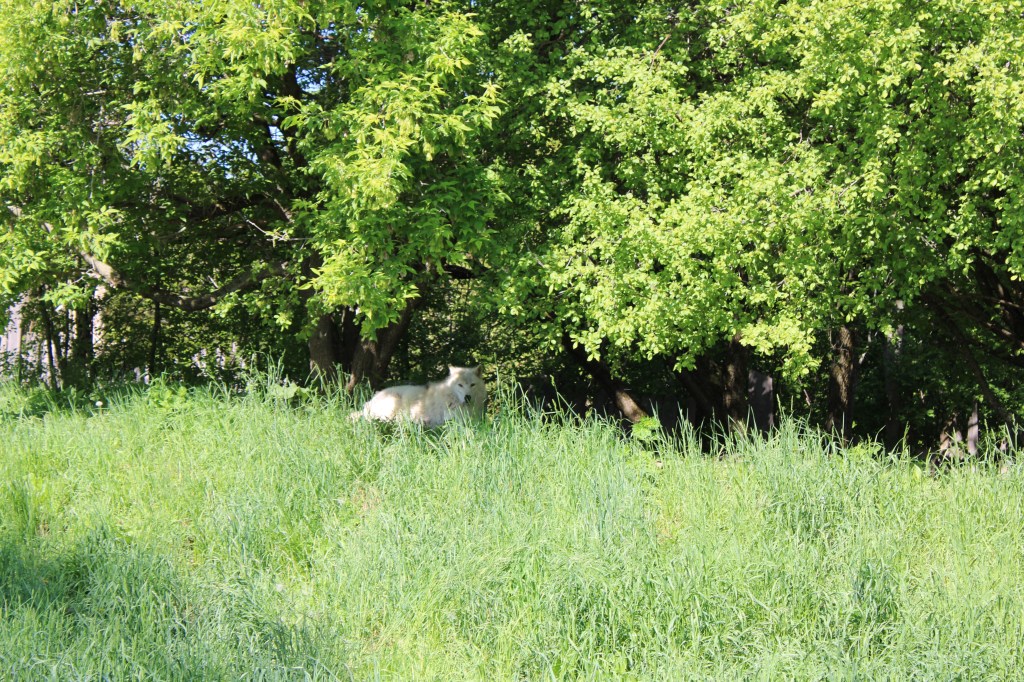
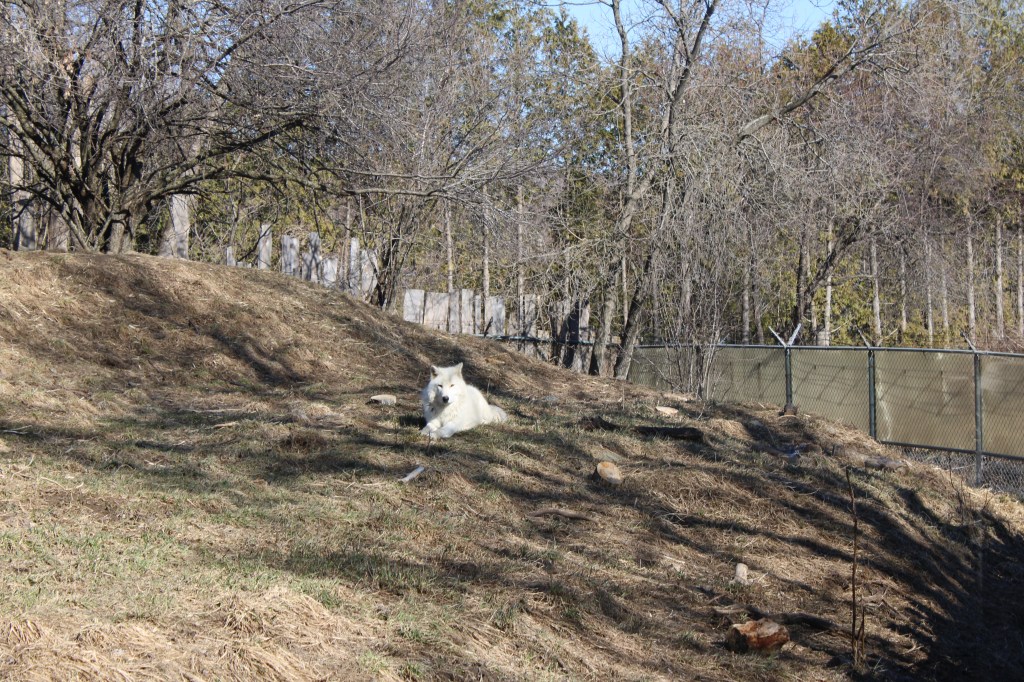
I’ll never forget my visits with Akela, the white wolf. He was always calm and elegant, like a quiet guardian of the green space he calls home. Sometimes I’d find him lying in the tall grass, sunlight flickering through the leaves, looking peaceful and majestic. I always took a quiet moment to just watch.
One morning, a zookeeper told me something that made me smile—Akela loves to pose for pictures. Apparently, he knows when people are watching and just stays there, striking a regal pose like the king of the forest. And honestly… he does. He’s so photogenic!
What’s funny is that I usually went to the Écomuseum to see the coyotes—but Akela was always there too, quietly stealing the spotlight. And I didn’t mind at all. It’s like he knew he belonged in every visit, every memory.
The Arctic Fox Family ❄️
Every time I visit the Écomuseum, the Arctic foxes are always there—curled up in the grass, pacing softly, or just watching the world go by. There’s a whole little family of them, and somehow, they’re always visible.
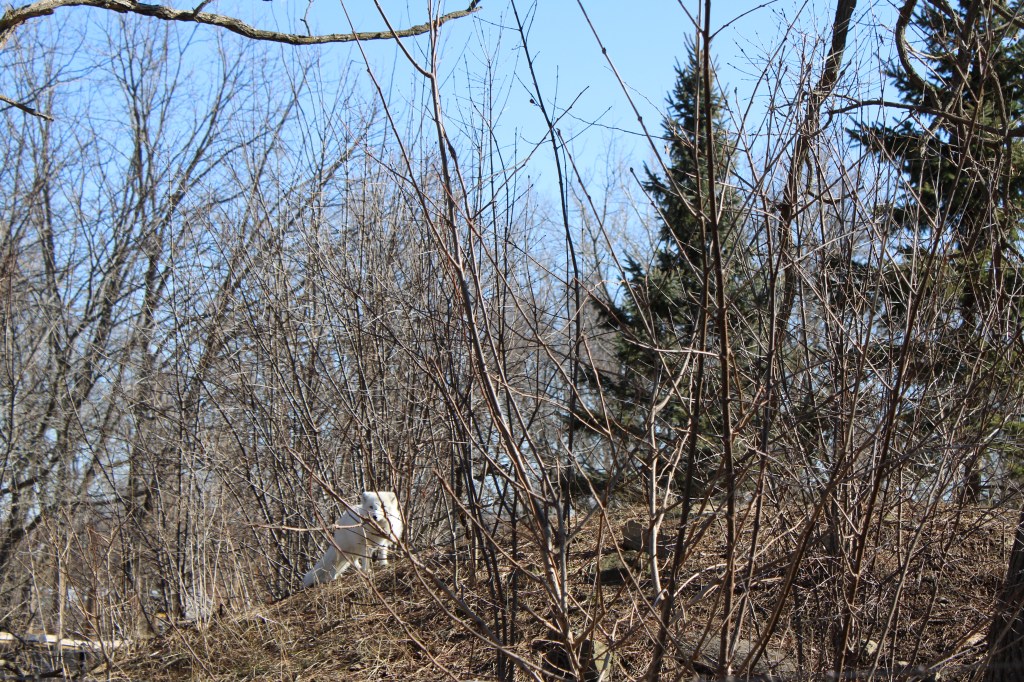
Always around, always adorable.
One of the Arctic foxes from the Écomuseum crew—these cuties are always out and about like they’re running the place.
The Coyotes: Victor, Aggy & Canyon 🐾
And then there are the coyotes.
I’ve been sponsoring Victor for two years now, and I always stop to visit him and his companion Aggy. They each have three legs, but they don’t let that define them. They move through their space with calm curiosity, and there’s something powerful in how quietly they live.
One morning I arrived early and met a lovely staff member who was feeding them. She told me that the third coyote, Canyon, was new and still shy—that he was afraid of the wind. I never forgot that. She also told me the coyotes love playing with egg cartons, even if it makes a mess, and how they’re so gentle that birds will often steal food right out from under them. I actually witnessed that once.
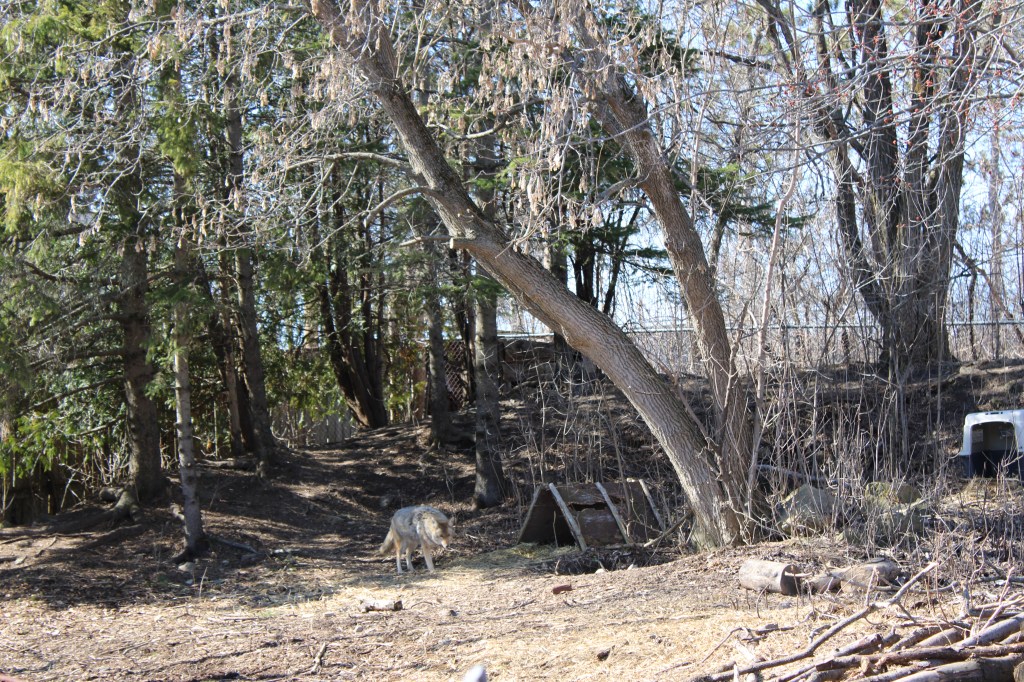
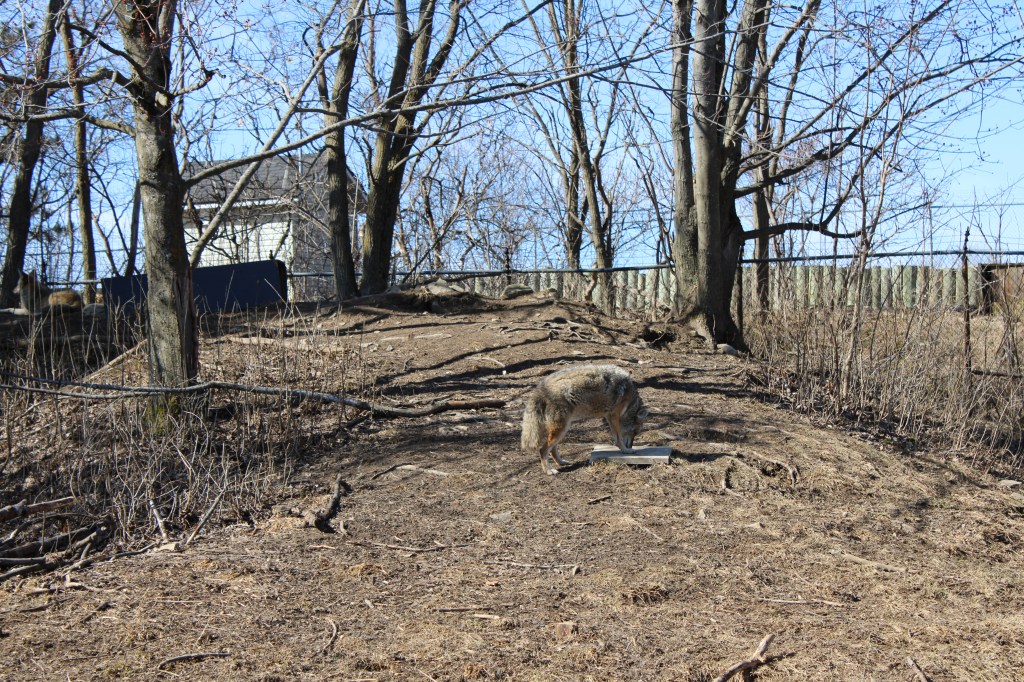
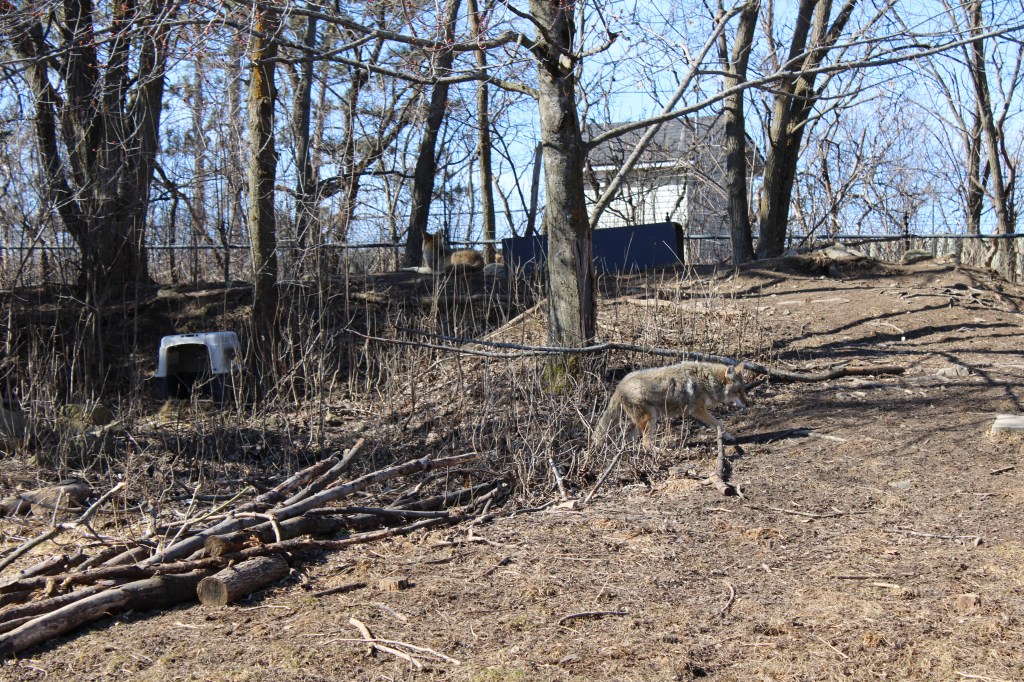
Masters of camouflage.
Coyotes blend in so well with their surroundings—it’s like they’re part of the forest floor itself. If you’re not paying attention, you might miss them completely… and that’s kind of their magic.
The Other Wild Ones 🦊🐾
The Écomuseum is also home to red foxes, bobcats, and Canadian lynxes—each one with their own energy. The red foxes are actually the beautiful silver-phase variety, with dark, shimmering coats that catch the light like shadow and smoke. The bobcats and lynxes are quieter, more intense. Unlike the coyotes, they’re not so tolerant when birds come too close to their food. There’s a little standoff in the air—a reminder that even in peaceful places, wild instincts are alive and well.
The People Who Make It Special
The animals are incredible, but the people who care for them are just as inspiring. Every zookeeper I’ve spoken to has been knowledgeable, kind, and clearly in love with the animals they work with. The staff and volunteers radiate that same energy. There’s real devotion in this place.
That’s why I became a lifetime member of the Écomuseum.
How You Can Help
If this place speaks to you, here are a few ways to support them:
🌿 Sponsor an animal – like I do with Victor. Your contribution helps feed and care for them.
🌿 Make a donation – even small amounts go a long way.
🌿 Become a member – it’s worth every visit, every season.
Or just come visit. Take the time to walk the paths, hear the birds, see the animals up close, and feel what this place is really about. It’s healing. It’s hopeful. It’s home.
With love and gratitude for those who care for the wild ones,
Kodkod


 coyotepretty.ca