🐾 Stand Up for Louisiana’s Coyotes (and Armadillos too!)


Louisiana is trying to pass a ban that would make it illegal for licensed wildlife rehabilitators to help coyotes when they’re injured, orphaned, or sick. This means that coyotes like Ti Loup and Koa—two little orphans currently being cared for at Geaux Wild Rehab—would never have had the chance to receive the love, medicine, and second chance they deserve.

👉 You can see them here: Ti Loup & Koa TikTok video. These pups are alive and thriving because of wildlife rehabilitation. Without it, their story would have ended in suffering.

But if this ban goes through, no future coyote in Louisiana will get that chance.


Why This Matters

  • Coyotes are North America’s native wild dogs. They play a vital role in keeping ecosystems balanced by controlling rodents, cleaning carrion, and adapting to fill niches left empty by other predators.
  • Rehabilitators see very few coyotes each year. In 2024, only six coyotes were rehabbed in Louisiana. That’s such a tiny number compared to the population—it’s not causing problems.
  • It’s unfair and inhumane. If a coyote is hit by a car, poisoned, trapped, or orphaned because of human activity, it deserves care. To deny them help is cruel.
  • Education works better than bans. Teaching people how to coexist peacefully with coyotes reduces conflicts far more than preventing their care.
  • Armadillos would also be affected. The proposed rule would ban rehab for them too, leaving injured armadillos without care as well.

How You Can Help 📝

We need your voice to stop this.

  1. Sign & Share the Petition:
    ✍️ Oppose the Ban on Louisiana Coyote Rehabilitation
  2. Send an Email:
    Urge Louisiana officials to vote NO on banning coyote rehabilitation. Tell them coyotes and armadillos deserve compassion, not cruelty.
    • Email addresses are listed in the petition description. Even a short, heartfelt message makes a difference.
  3. Spread the Word:
    Share Ti Loup and Koa’s story. Post the petition. Let people know this fight is about protecting our native wildlife.

Closing Thoughts

Coyotes are survivors—resilient, intelligent, and deeply misunderstood. But even survivors need help sometimes. Please stand up for Ti Loup, Koa, and all the coyotes who may come after them. They are not “outlaw quadrupeds.” They are family to the land, and they deserve a chance to heal.

🐺💙 Please, sign, share, and speak up. For the coyotes. For the armadillos. For a more compassionate world.

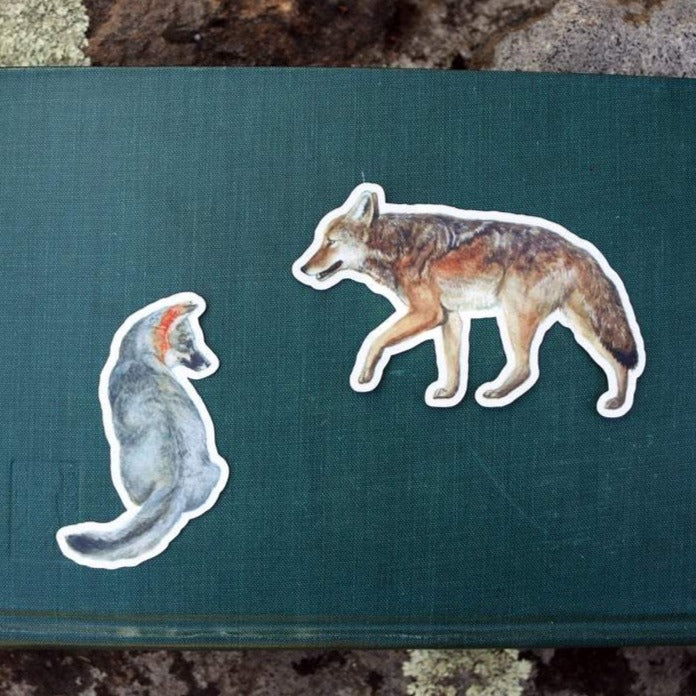
🚨 Save Louisiana’s Coyotes + Wildlife Rehab! 🐾

Geaux Wild Rehab has started a petition to stop a new rule that would ban the rehabilitation of coyotes and armadillos in Louisiana. This means if one of these animals is injured, orphaned, or in need, licensed rehabbers wouldn’t be able to help them anymore. 😢

Coyotes are amazing ecosystem helpers 🌏they keep rodent populations in check, clean up carrion, and play an important role in balance. And wildlife rehabbers are trained, compassionate people who give injured animals a second chance. 💕

👉 Banning their care doesn’t solve “conflicts.” It only takes away compassion.

✨ How you can help:

✅ Sign the petition ➡️ Sign here
✅ Share it with friends, family, and on social media 📲
✅ Speak up for wildlife 🐺🐾


Every signature makes a difference. Let’s protect the right to care for these beautiful wild beings. 🌿💚

A Sweet Rescue in Springville 🐾✨


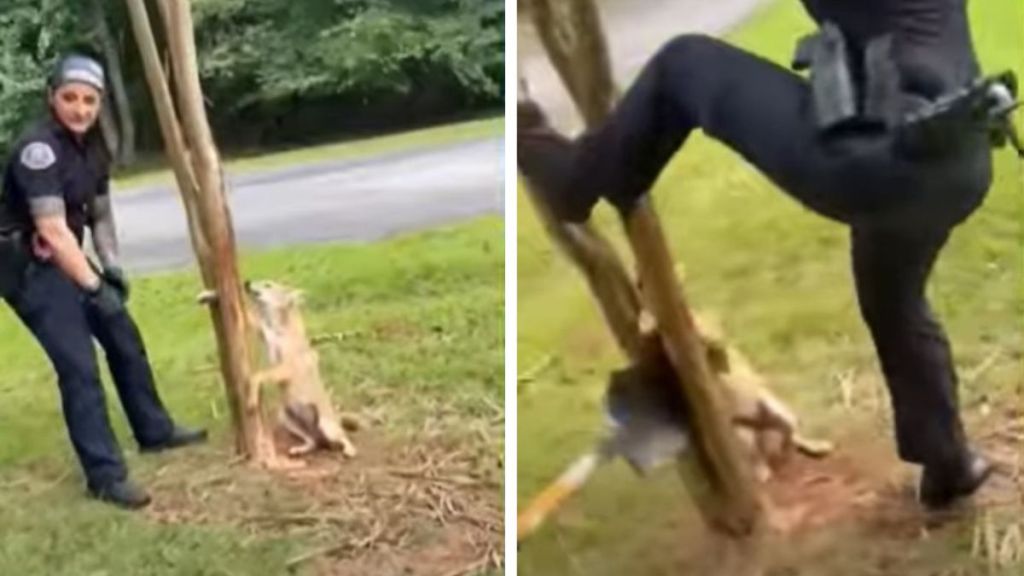
In Springville, Alabama, a young coyote got his front paw stuck in the gap of a crepe myrtle tree. The poor pup was barking and struggling to free himself when help arrived.

Two police officers, Maggie Milazzo and Jeff King, worked together to help him. Maggie used her legs to try shifting the tree, while Jeff used a shovel like a pry bar to widen the gap. Their teamwork worked, and the little coyote was able to pull his paw free and run back into the woods.

I’m so happy for the coyote, I’m so glad he found his way out. Loved how the officers helped 💛


10 Unique Facts About Coyotes


1. Coyotes put out fires.
Whether this is true or myth, there’s a fascinating story from Hope Ryden’s book God’s Dog. She witnessed a coyote actually putting out a small fire. A man lit an envelope on fire and tossed it near a coyote. The coyote jumped on it, stamping out the flames with her feet, then pushed the smoldering paper against the ground until the fire was completely out. Apparently, coyotes have a knack for putting out small fires. That’s pretty incredible!

2. Both male and female coyotes have strong parental instincts.
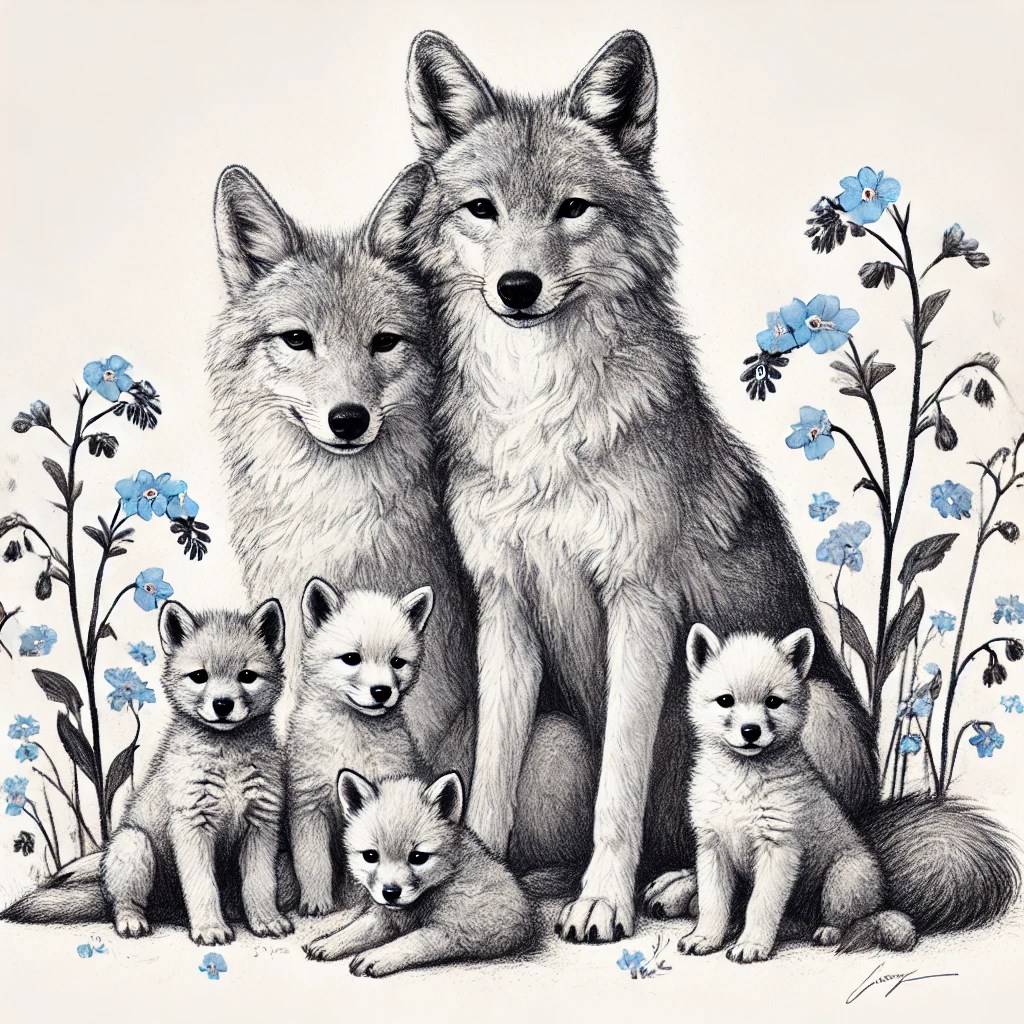
Coyotes are a team when it comes to raising their pups. Both mom and dad work together to protect and care for their young. The male brings food, sometimes even regurgitating it for the pups, and helps teach them how to hunt. Coyotes have also been known to adopt orphaned pups, showing how deeply they value family.

3. Coyotes mate for life.
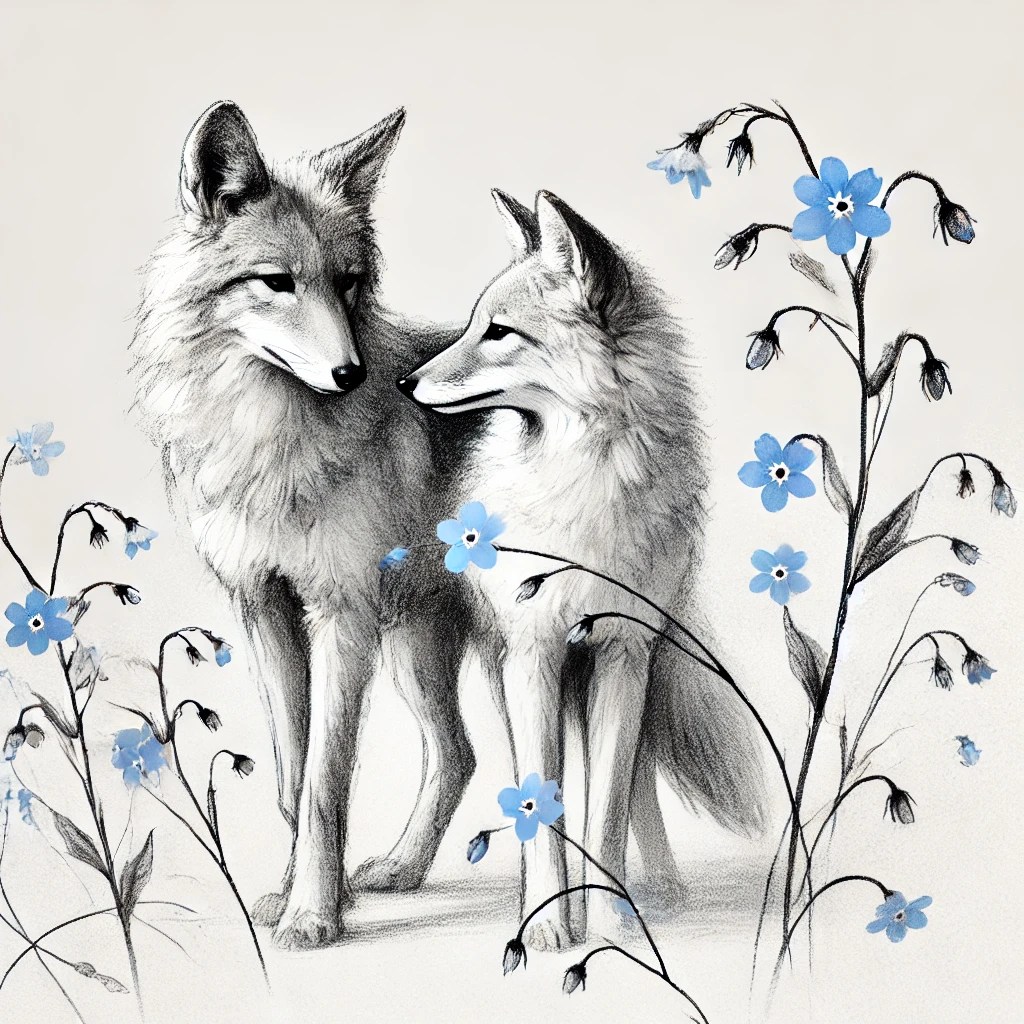
Coyotes form strong lifelong bonds with their mates. They are known to be highly monogamous, staying with the same partner “till death do us part.” Only when a mate dies do they find a new partner. This loyalty is seen especially in urban coyote populations and is truly a beautiful natural bond.

4. Coyotes are endemic to North America.
Coyotes are native to and found only in North America. They’re one of seven canid species in Canada and have adapted remarkably well across the continent’s many habitats.

5. Coyotes only breed once a year.
Their breeding season happens between January and March, and pups are usually born in April or May. Like many other canids, coyotes have just one breeding cycle per year.

6. There are melanistic (black) coyotes.
Melanistic coyotes, or black coyotes, are real! They aren’t a separate species, just a color variation caused by a genetic mutation that increases dark pigment in their fur. This mutation isn’t unique to coyotes—it also shows up in domestic dogs and wolves.

7. Coyotes are closely related to wolves and domestic dogs.
Coyotes, wolves, and dogs all belong to the same family, Canidae, and share the genus Canis. Despite this close relationship, coyotes are their own distinct species.

8. Coyotes have expanded their territories dramatically.
Over the last few decades, coyotes have spread across North America faster than any other carnivore, moving into new areas and adapting to a wide variety of environments.

9. Coyotes have been on Earth way longer than humans.
Fossil records show coyotes have been around for approximately 740,000 to 850,000 years. In comparison, modern humans have only existed for about 300,000 years.

10. Coyotes are sacred beings in Diné (Navajo) culture.
In Navajo stories, Mąʼii (Coyote) is one of the first sacred animals. Alongside Áłtsé Hastiin (First Man) and Áłtsé Asdzą́ą́ (First Woman), Mąʼii played a major role in creating and ordering the world. Coyotes are seen as teachers and creators, representing the balance between chaos and harmony.


A Victory for Wolves 🐺💚


Some hopeful news from Alberta—the province has officially ended the use of Compound 1080 to poison wolves. This change follows years of advocacy from Animal Justice and other wildlife protection groups. While it’s a significant step forward, the poison remains legal for use on coyotes, meaning the work isn’t over yet.(Animal Justice)

Compound 1080 is a highly toxic substance that causes immense suffering to animals and poses risks to non-target wildlife and pets. The cessation of its use on wolves marks a meaningful shift towards more humane wildlife management practices.

You can read the full article here: Victory! Alberta Ends Use of Compound 1080 on Wolves

Let’s continue to advocate for the protection of all wildlife and the elimination of harmful poisons from our ecosystems.


Dr. Stanley D. Gehrt, a renowned wildlife ecologist, has dedicated over two decades to studying urban coyotes, particularly through the Urban Coyote Research Project based in the Chicago metropolitan area. His book, Coyotes Among Us, co-authored with Kerry Luft, provides an in-depth look into how these adaptable predators have seamlessly integrated into urban environments across North America.

Key Insights from Coyotes Among Us:

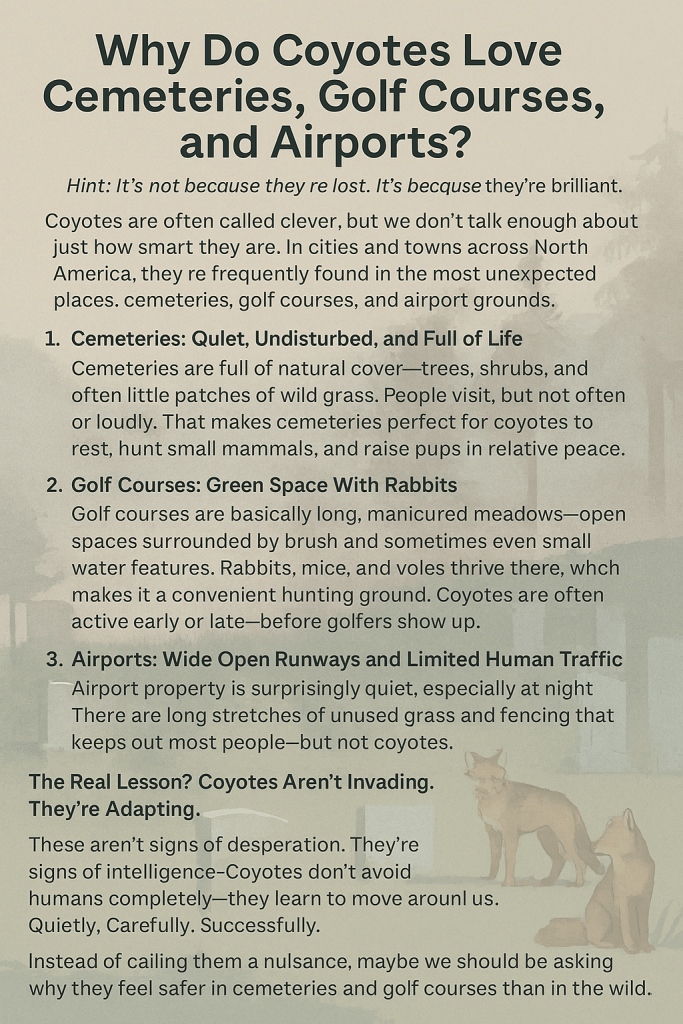
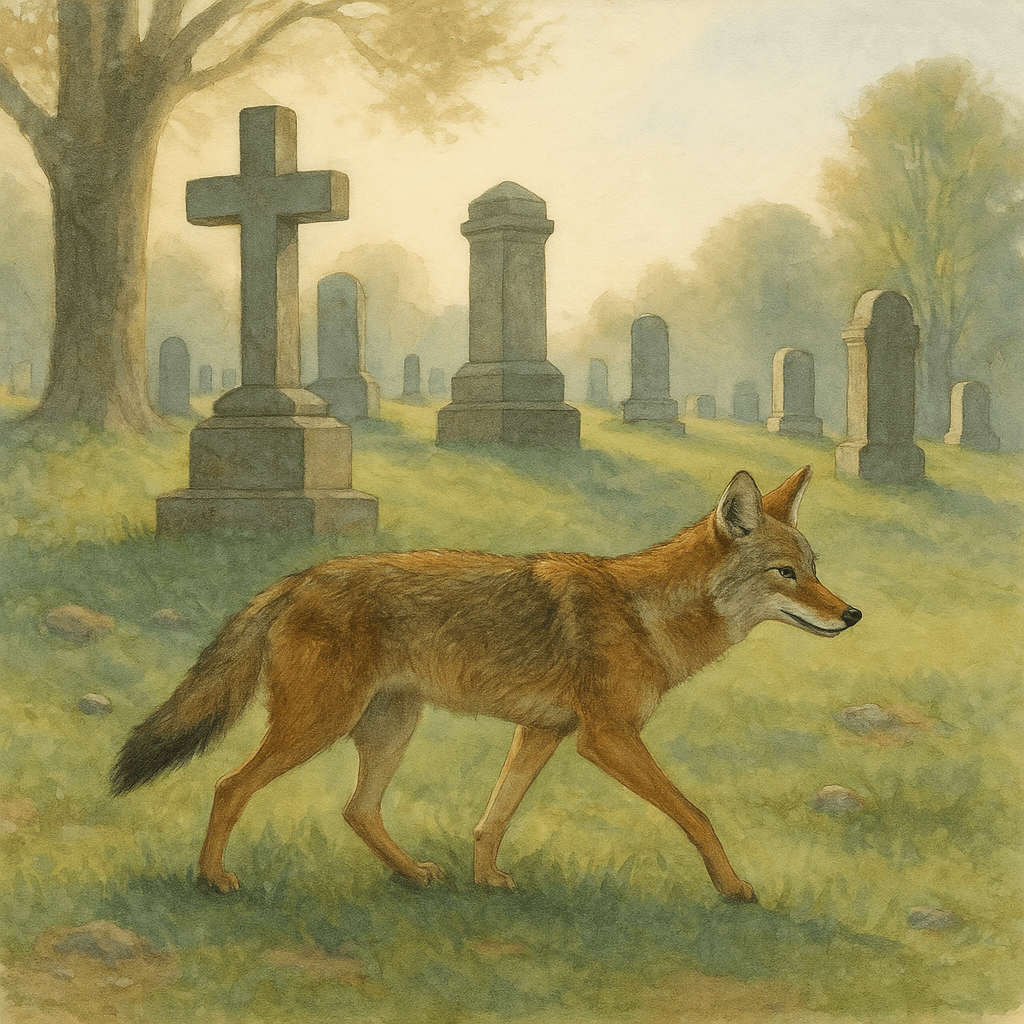
Adaptability in Urban Landscapes: Gehrt’s research reveals that coyotes have not only survived but thrived in urban settings, utilizing green spaces such as cemeteries, golf courses, and airport grounds. These areas offer minimal human disturbance and abundant resources, making them ideal habitats for coyotes.

Human-Wildlife Coexistence: The book emphasizes the importance of understanding and coexisting with urban coyotes. Gehrt dispels common myths and highlights the ecological benefits coyotes bring, such as controlling rodent populations.

Behavioral Observations: Through detailed observations, Gehrt showcases the complex social structures and behaviors of coyotes, challenging the negative perceptions often associated with them.

Dr. Gehrt’s Contributions Beyond the Book:

Educational Outreach: Gehrt actively shares his findings through public talks and presentations, aiming to educate communities about urban coyotes and promote harmonious coexistence.

Research Leadership: As the Principal Investigator of the Urban Coyote Research Project, Gehrt continues to lead studies that deepen our understanding of how coyotes adapt to urban environments.

For those interested in delving deeper into Dr. Gehrt’s work and insights, the following presentation offers a comprehensive overview:

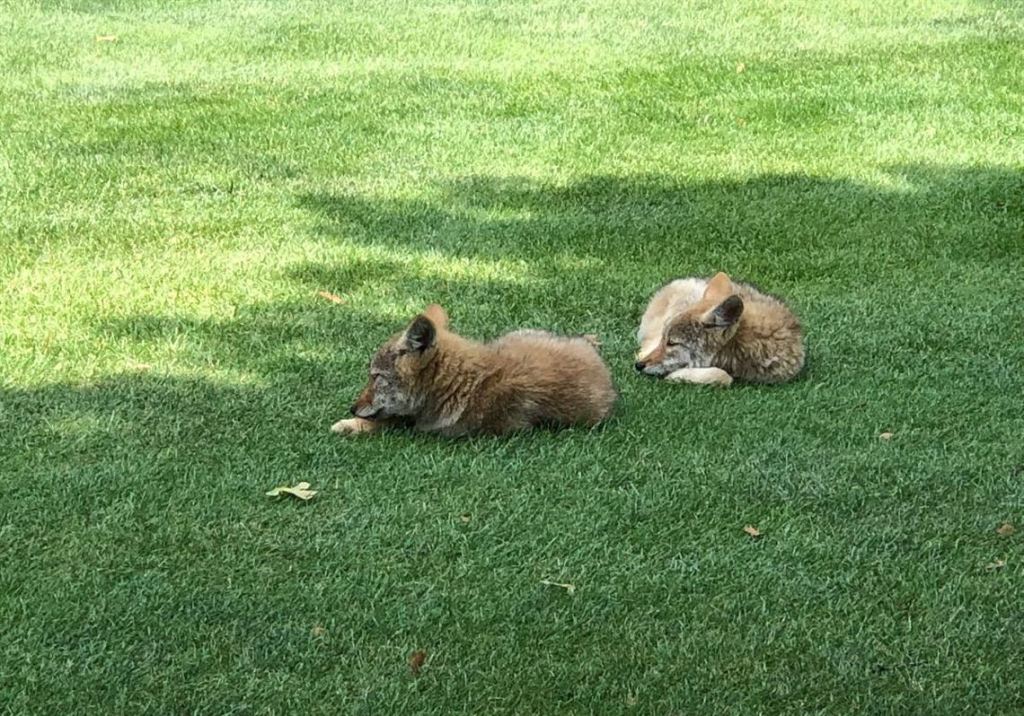
Two young coyotes rested quietly on a sunlit fairway at Ottawa Park Golf Course, unfazed as golfers passed nearby. (Photo by Tom Names)

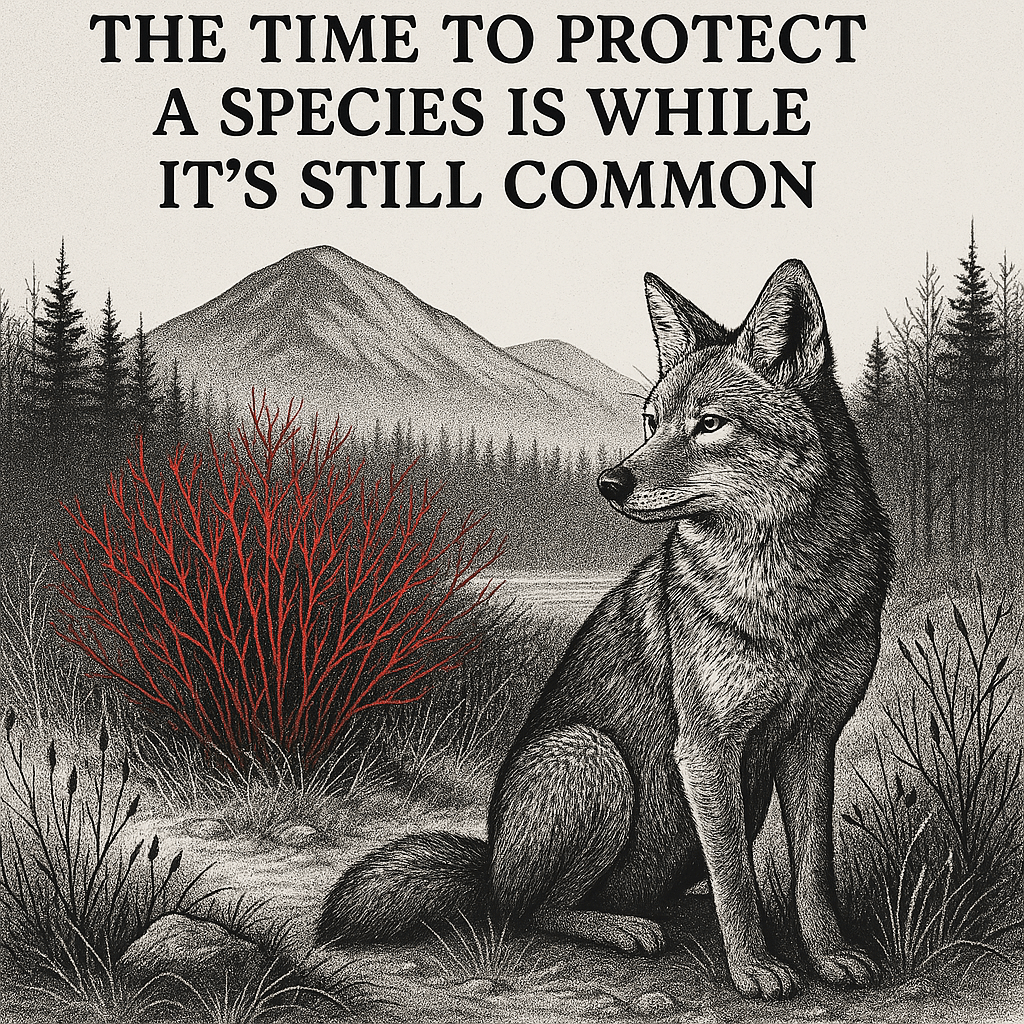
Coyotes Are Still Here—But For How Long?


There’s a conservation saying that should make all of us think:

“The time to protect a species is while it’s still common.”


Coyotes are a native species in Canada. They’ve lived on this land long before cities, highways, or borders. They are intelligent, adaptable, social animals. And yet—they are offered no real legal protection across much of the country.


In most provinces, coyotes can be hunted year-round, often with no limit. They are trapped, poisoned, and even targeted in wildlife killing contests—competitions that reward people for killing the most or biggest coyotes. These are legal. Not regulated. Not questioned.


The Canadian government treats coyotes as if their abundance is a reason to ignore them. But population numbers are not an excuse for cruelty.


Persecution doesn’t just hurt coyotes—it disrupts ecosystems, fragments social bonds within packs, and actually increases conflict.


Science shows that when coyotes are aggressively hunted, they respond by having larger litters and spreading into new areas.
In other words: killing more coyotes doesn’t solve anything—it makes things worse.


We should be proud to share this land with native animals. Instead, we’re allowing outdated fears and unscientific policies to guide how we treat them.


Coyotes don’t need to be endangered to deserve protection.
They just need to be seen.
And it’s time we start seeing them differently.

National Coyote Day

Today marks the 7th and final day of Coyote Awareness Week, and fittingly, it’s also National Coyote Day in the U.S. There’s no better time to mention how incredibly family-oriented coyotes are.

Coyotes: Loyal Mates, Devoted Parents

Coyotes form lifelong bonds. In over 10 years of tracking urban coyotes in Chicago, wildlife biologist Dr. Stanley Gehrt never observed a single instance of cheating between mated pairs. These animals stick together, co-parent their pups, and create tight-knit family units.

Both mom and dad share parenting duties equally. While the mother stays close to the den nursing the pups, the father works hard to bring back food and protect the territory. They also teach their pups how to hunt and survive in the wild. And if tragedy strikes? Coyotes adapt. In one of Dr. Gehrt’s studies, when a coyote mother died, the father took over full-time parenting, raising the pups on his own — a rare trait in the wild.

Adoption and Compassion in the Wild

Coyotes also have strong maternal and paternal instincts, so strong that they sometimes take in pups that aren’t even their own. In one remarkable case, Gehrt and his team found two different litters sharing a single den — one unrelated to the primary coyote pair. Whether it’s adopting orphaned pups or allowing older siblings to help with the next litter, coyotes prove time and again that their family bonds go beyond blood.

A Vulnerability Exploited

Ironically, it’s this deep sense of care that has made coyotes vulnerable to certain hunting practices. Hunters have been known to use distress calls mimicking yelping or crying pups to lure adult coyotes into traps or shooting range. It’s a heartbreaking tactic — one that depends entirely on the coyote’s instinct to protect and respond to family in need 😔


A Sacred Presence

Beyond their role in the wild, coyotes hold a deep spiritual significance for many Indigenous cultures across North America — the only continent they call home. Often seen as tricksters, teachers, and guides in Native storytelling, coyotes represent transformation, adaptability, and the balance between light and shadow.

To some, the coyote is a symbol of resilience — of laughing in the face of hardship, of finding creative ways to survive. In shamanic traditions, the coyote can appear in dreams or visions as a messenger, nudging us to see things differently or embrace change with a curious heart.

As we celebrate National Coyote Day, let’s not only honor the coyote’s role in the ecosystem — but also their sacred place in the spirit and story of this land.


How You Can Celebrate National Coyote Day

If you’re feeling inspired by these incredible animals, there are a few simple ways you can show your appreciation and compassion for coyotes today — and every day:

  • Learn and Share: Spread awareness about the true nature of coyotes — as loyal mates, nurturing parents, and essential parts of healthy ecosystems. The more people know, the more they care.
  • Respect Their Space: If you live in or near coyote territory, give them space and avoid feeding them. Coexistence starts with understanding boundaries.
  • Support Ethical Wildlife Policies: Advocate for humane and science-based wildlife management in your community. Oppose inhumane hunting practices that exploit coyote family bonds.
  • Celebrate Online: Post your favorite coyote facts, stories, or artwork on social media using hashtags like #CoyoteAwarenessWeek or #NationalCoyoteDay to help shift the narrative around these misunderstood animals.
  • Connect with Local Wildlife Groups: Support or volunteer with organizations that work on coyote conservation and urban wildlife education.

Coyotes are more than clever survivors — they’re caretakers, communicators, and contributors to the wild world around us. Today’s a great day to honor them with a little kindness, curiosity, and respect.

Happy National Coyote Day!

Day 6 of Coyote Awareness Week

Coyotes Mate for Life

It’s Day 6 of Coyote Awareness Week, and today we’re shining a light on one of the most heartwarming things about coyotes: they’re incredibly loyal lovers.

Coyotes, native to North America, are famous for their adaptability, but what often flies under the radar is their deep commitment to their partners. Once they pair up, they usually stay together for life—hunting, raising pups, and sticking by each other’s side through thick and thin. During mating season, the male practices mate guarding, staying close to his partner to ensure their bond stays strong.

Researchers have seen this play out time and time again. A study from Ohio State University found, “We found no evidence of polygamy, either for males or females… Coyotes are monogamous—even when given the opportunity to cheat.”

Wildlife biologist Stan Gehrt explains why that loyalty matters: “Unlike the males of polygamous species, a male coyote knows that every one of those pups is his offspring and has a clear genetic stake in helping them survive.”

Even more touching, some coyote pairs stay together for a decade or more. “We’ve been able to follow some of these alpha pairs through time, and we’ve had some of them stay together for up to 10 years,” Gehrt said. And as researcher Hennessy put it, “They separate only upon the death of one of the individuals, so they truly adhere to that philosophy, ‘Till death do us part.’”

So next time you hear a coyote howl under the stars, it might just be one half of a ride-or-die.

Coyotes: clever, committed, and romantic.