National Coyote Day

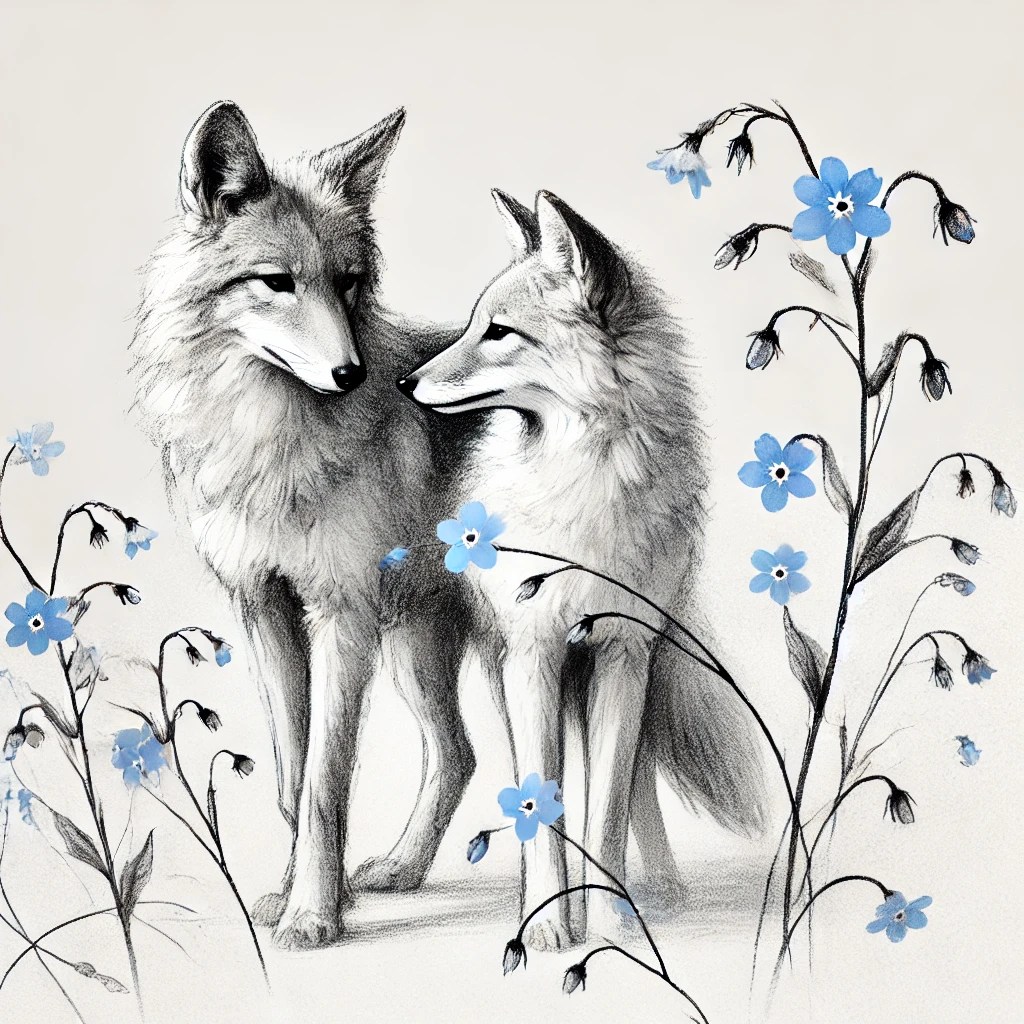
Today marks the 7th and final day of Coyote Awareness Week, and fittingly, it’s also National Coyote Day in the U.S. There’s no better time to mention how incredibly family-oriented coyotes are.

Coyotes: Loyal Mates, Devoted Parents

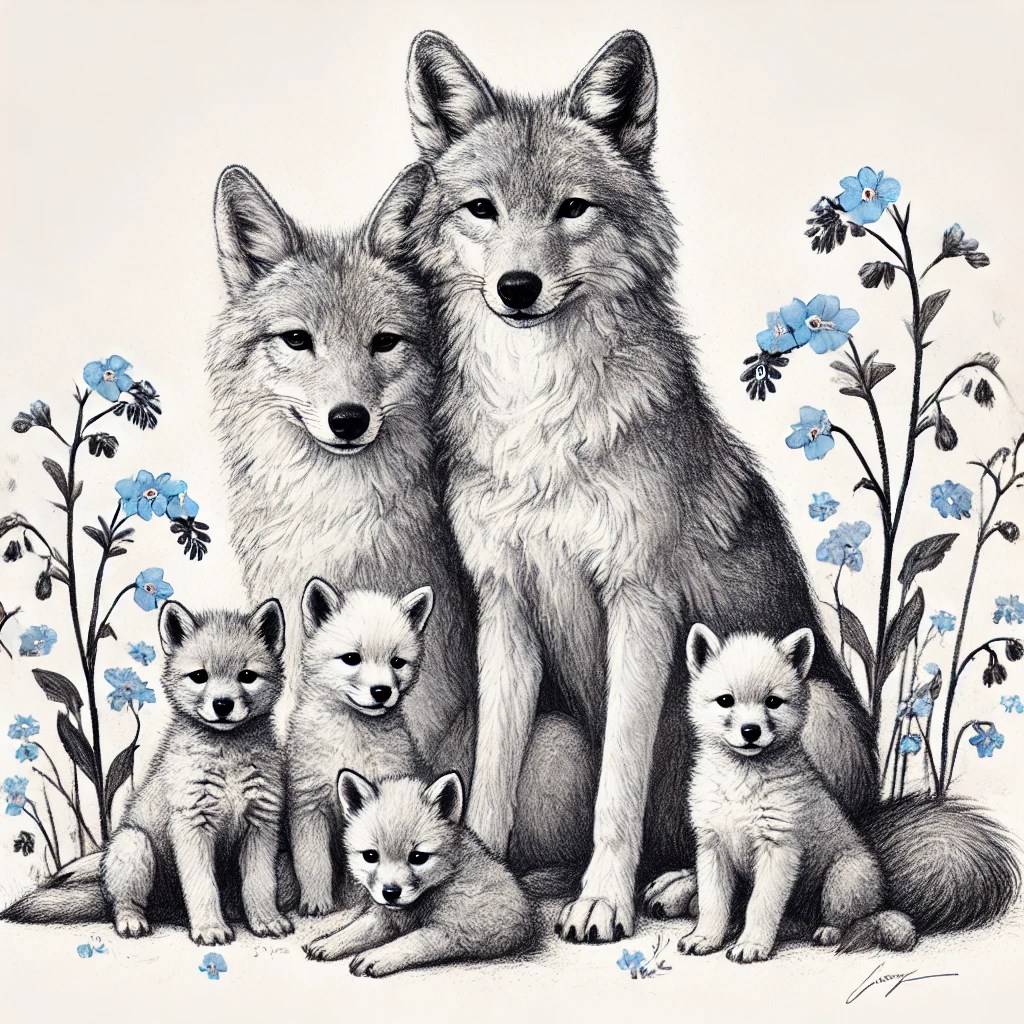
Coyotes form lifelong bonds. In over 10 years of tracking urban coyotes in Chicago, wildlife biologist Dr. Stanley Gehrt never observed a single instance of cheating between mated pairs. These animals stick together, co-parent their pups, and create tight-knit family units.

Both mom and dad share parenting duties equally. While the mother stays close to the den nursing the pups, the father works hard to bring back food and protect the territory. They also teach their pups how to hunt and survive in the wild. And if tragedy strikes? Coyotes adapt. In one of Dr. Gehrt’s studies, when a coyote mother died, the father took over full-time parenting, raising the pups on his own — a rare trait in the wild.

Adoption and Compassion in the Wild

Coyotes also have strong maternal and paternal instincts, so strong that they sometimes take in pups that aren’t even their own. In one remarkable case, Gehrt and his team found two different litters sharing a single den — one unrelated to the primary coyote pair. Whether it’s adopting orphaned pups or allowing older siblings to help with the next litter, coyotes prove time and again that their family bonds go beyond blood.

A Vulnerability Exploited

Ironically, it’s this deep sense of care that has made coyotes vulnerable to certain hunting practices. Hunters have been known to use distress calls mimicking yelping or crying pups to lure adult coyotes into traps or shooting range. It’s a heartbreaking tactic — one that depends entirely on the coyote’s instinct to protect and respond to family in need 😔


A Sacred Presence

Beyond their role in the wild, coyotes hold a deep spiritual significance for many Indigenous cultures across North America — the only continent they call home. Often seen as tricksters, teachers, and guides in Native storytelling, coyotes represent transformation, adaptability, and the balance between light and shadow.

To some, the coyote is a symbol of resilience — of laughing in the face of hardship, of finding creative ways to survive. In shamanic traditions, the coyote can appear in dreams or visions as a messenger, nudging us to see things differently or embrace change with a curious heart.

As we celebrate National Coyote Day, let’s not only honor the coyote’s role in the ecosystem — but also their sacred place in the spirit and story of this land.


How You Can Celebrate National Coyote Day

If you’re feeling inspired by these incredible animals, there are a few simple ways you can show your appreciation and compassion for coyotes today — and every day:

  • Learn and Share: Spread awareness about the true nature of coyotes — as loyal mates, nurturing parents, and essential parts of healthy ecosystems. The more people know, the more they care.
  • Respect Their Space: If you live in or near coyote territory, give them space and avoid feeding them. Coexistence starts with understanding boundaries.
  • Support Ethical Wildlife Policies: Advocate for humane and science-based wildlife management in your community. Oppose inhumane hunting practices that exploit coyote family bonds.
  • Celebrate Online: Post your favorite coyote facts, stories, or artwork on social media using hashtags like #CoyoteAwarenessWeek or #NationalCoyoteDay to help shift the narrative around these misunderstood animals.
  • Connect with Local Wildlife Groups: Support or volunteer with organizations that work on coyote conservation and urban wildlife education.

Coyotes are more than clever survivors — they’re caretakers, communicators, and contributors to the wild world around us. Today’s a great day to honor them with a little kindness, curiosity, and respect.

Happy National Coyote Day!

Day 6 of Coyote Awareness Week

Coyotes Mate for Life

It’s Day 6 of Coyote Awareness Week, and today we’re shining a light on one of the most heartwarming things about coyotes: they’re incredibly loyal lovers.

Coyotes, native to North America, are famous for their adaptability, but what often flies under the radar is their deep commitment to their partners. Once they pair up, they usually stay together for life—hunting, raising pups, and sticking by each other’s side through thick and thin. During mating season, the male practices mate guarding, staying close to his partner to ensure their bond stays strong.

Researchers have seen this play out time and time again. A study from Ohio State University found, “We found no evidence of polygamy, either for males or females… Coyotes are monogamous—even when given the opportunity to cheat.”

Wildlife biologist Stan Gehrt explains why that loyalty matters: “Unlike the males of polygamous species, a male coyote knows that every one of those pups is his offspring and has a clear genetic stake in helping them survive.”

Even more touching, some coyote pairs stay together for a decade or more. “We’ve been able to follow some of these alpha pairs through time, and we’ve had some of them stay together for up to 10 years,” Gehrt said. And as researcher Hennessy put it, “They separate only upon the death of one of the individuals, so they truly adhere to that philosophy, ‘Till death do us part.’”

So next time you hear a coyote howl under the stars, it might just be one half of a ride-or-die.

Coyotes: clever, committed, and romantic.

Day 5 of Coyote Awareness Week

Why Coyote Relocation Does More Harm Than Good

Coyotes are often misunderstood creatures, and when they show up in urban or suburban areas, people sometimes assume the best solution is to trap and relocate them. It sounds like a humane choice—move the animal to a safer, more “natural” place—but in reality, relocation often causes more harm than good.

Coyotes Know Their Home Best

Like most wildlife, coyotes establish territories based on food availability, shelter, and social dynamics. When a coyote is removed from its home range, it’s suddenly thrown into unfamiliar surroundings. It has to compete with other coyotes for resources, find new shelter, and avoid new dangers. Many relocated coyotes struggle to survive and often don’t make it.

The Empty Space Doesn’t Stay Empty

Nature doesn’t like a vacuum. Removing a coyote from its territory doesn’t solve the “problem” people are trying to fix. Instead, it creates an open spot that other coyotes will eventually move into. This can actually increase local coyote activity, as younger, less-experienced animals take over the space and may be less cautious around humans.

The Humane Alternative: Coexistence

The best way to handle coyotes is to allow them to remain in their established territories while using simple coexistence strategies. Securing garbage, keeping pets indoors at night, and using humane deterrents can prevent conflicts without disrupting the natural balance. Over time, resident coyotes help keep populations stable and maintain a healthy ecosystem.

Coyotes aren’t the enemy—they’re simply trying to survive. Relocating them often leads to suffering and unintended consequences. Instead of removing them, understanding their role and making small changes can lead to peaceful coexistence. Nature has a way of balancing itself if we just let it.

🌕🐺🐺🐺🐺🐺🐺🐺🐺🐺🐺🌕

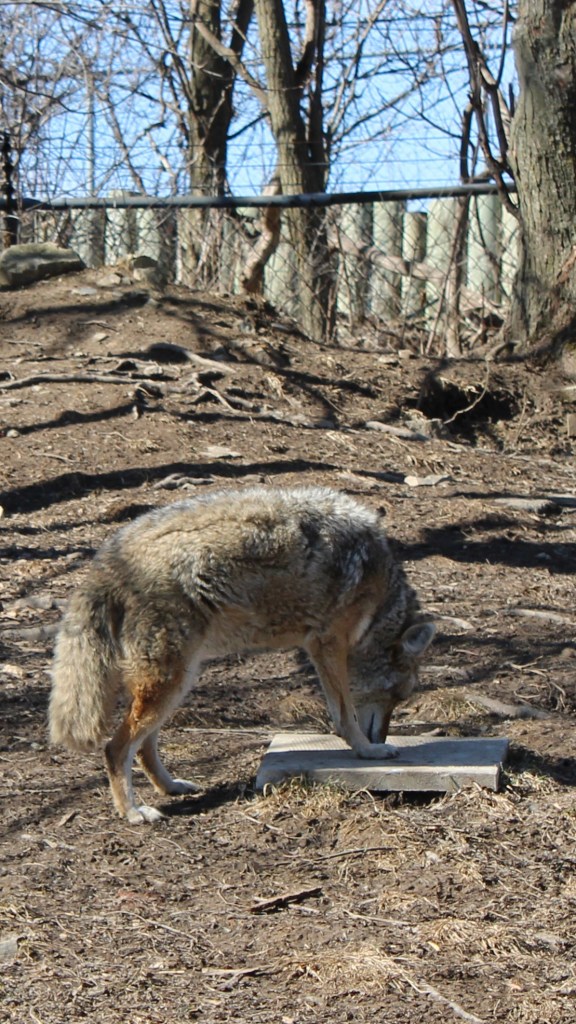
This is coyote 434 from the Urban Coyote Research project.


The Reality of Relocation

The Urban Coyote Research Project studied relocated coyotes and found that they don’t stay where they’re released. Instead, they try to return to their original territory—often with tragic results.

“Although the primary objectives of the Cook County Coyote Project did not involve relocating coyotes, we did monitor 12 relocated nuisance (or rehabilitated) coyotes from the city of Chicago to document their movements and fates. We found that no relocated coyotes remained at their release site despite being located in favorable coyote habitat (usually they were gone within 48 hours or less), and each of them traveled in the general direction of their origin. No coyotes made successful returns, and most were killed by cars or hunters as they left the release site.” — Urban Coyote Research Project

This study reinforces why relocation isn’t the answer. Instead of removing coyotes, the best approach is to let them stay in their established territories and use simple coexistence strategies to avoid conflicts. In the long run, it’s better for the animals—and for us.


Day 4 of Coyote Awareness Week

This is a passage from the book Coyote America by Dan Flores.

Bright Lights, Big Cities

Photo by Johanna Turner


If it seems counter intuitive that a predator like a coyote would find life in town to be fat-city, consider this additional evidence; in rural Illinois, where residents shoot, trap, and harass coyotes, only 13 percent of coyote pups survive to maturity. In the Chicago metropolitan area, a whopping 61 percent of coyote pups survive to adulthood. Like human adolescents, male coyote pups are always the most at-risk pack members. the easiest to trap or poison or shoot. But in town young male coyotes tend to survive at the same rate as females.

In fact, only in preserved wildlands like national parks does coyote survivability compare to what coyotes experience in cities. For a twenty-first century coyote, town life is pretty obviously the good life, especially compared to the dangers of rural America. We’re going to have to start imagining cities as twenty-first-century coyote preserves in much the way national parks were in the twentieth century.


If you want to buy this amazing book, click here for US customers or here for Canadian customers.