Today marks the 7th and final day of Coyote Awareness Week, and fittingly, it’s also National Coyote Day in the U.S. There’s no better time to mention how incredibly family-oriented coyotes are.
Coyotes: Loyal Mates, Devoted Parents
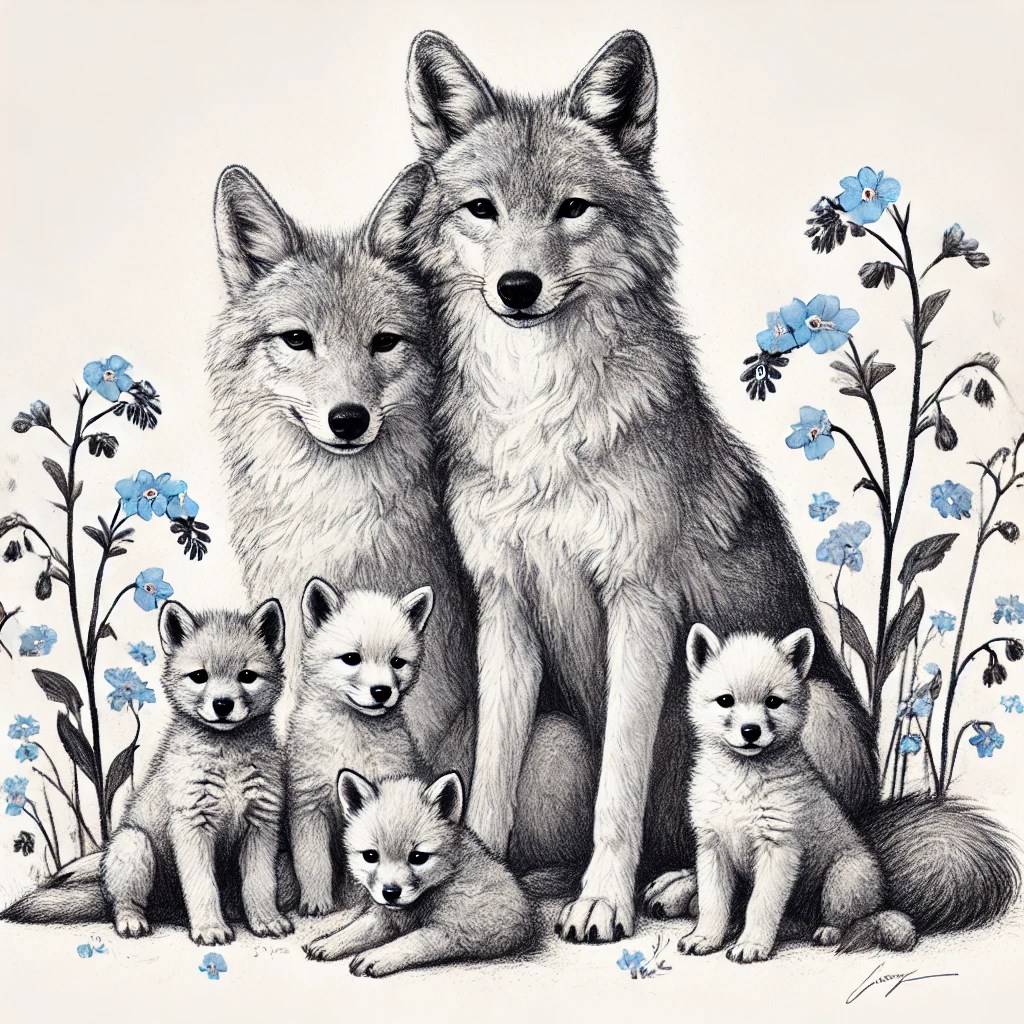
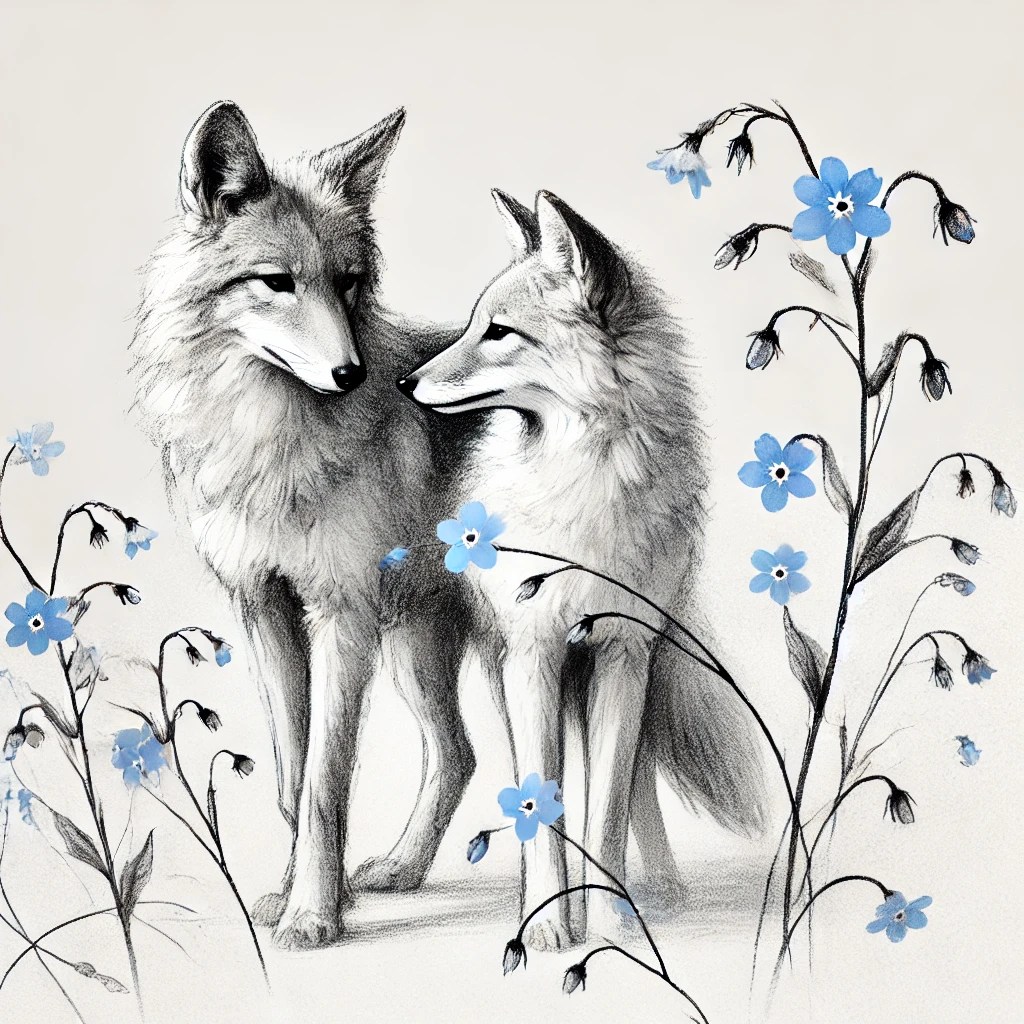
Coyotes form lifelong bonds. In over 10 years of tracking urban coyotes in Chicago, wildlife biologist Dr. Stanley Gehrt never observed a single instance of cheating between mated pairs. These animals stick together, co-parent their pups, and create tight-knit family units.
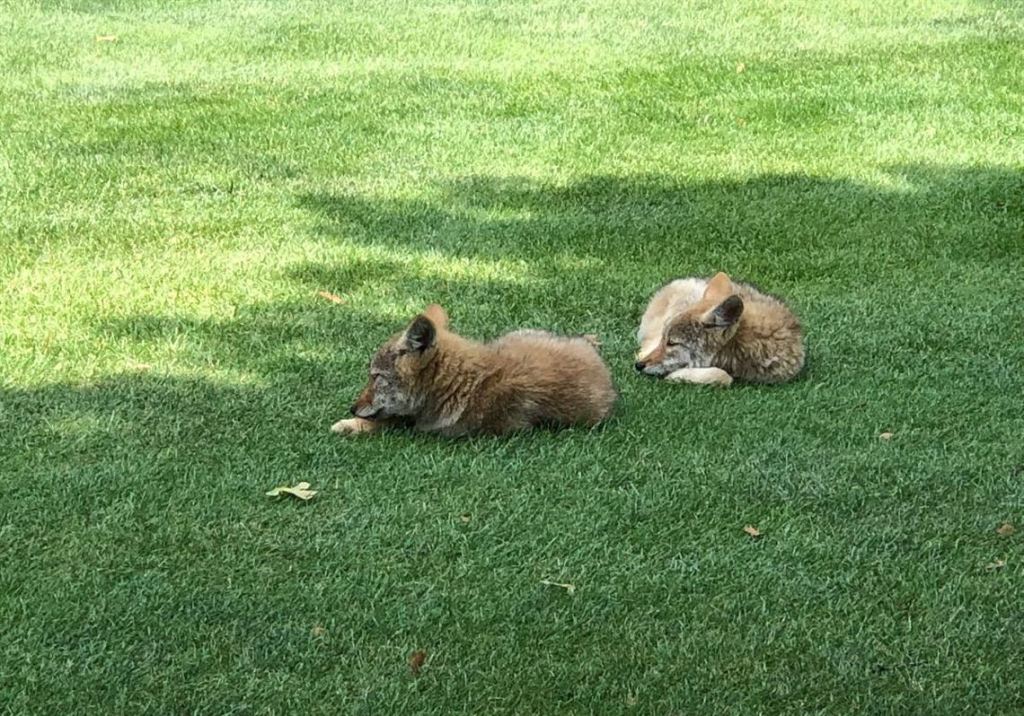
Both mom and dad share parenting duties equally. While the mother stays close to the den nursing the pups, the father works hard to bring back food and protect the territory. They also teach their pups how to hunt and survive in the wild. And if tragedy strikes? Coyotes adapt. In one of Dr. Gehrt’s studies, when a coyote mother died, the father took over full-time parenting, raising the pups on his own — a rare trait in the wild.
Adoption and Compassion in the Wild
Coyotes also have strong maternal and paternal instincts, so strong that they sometimes take in pups that aren’t even their own. In one remarkable case, Gehrt and his team found two different litters sharing a single den — one unrelated to the primary coyote pair. Whether it’s adopting orphaned pups or allowing older siblings to help with the next litter, coyotes prove time and again that their family bonds go beyond blood.
A Vulnerability Exploited
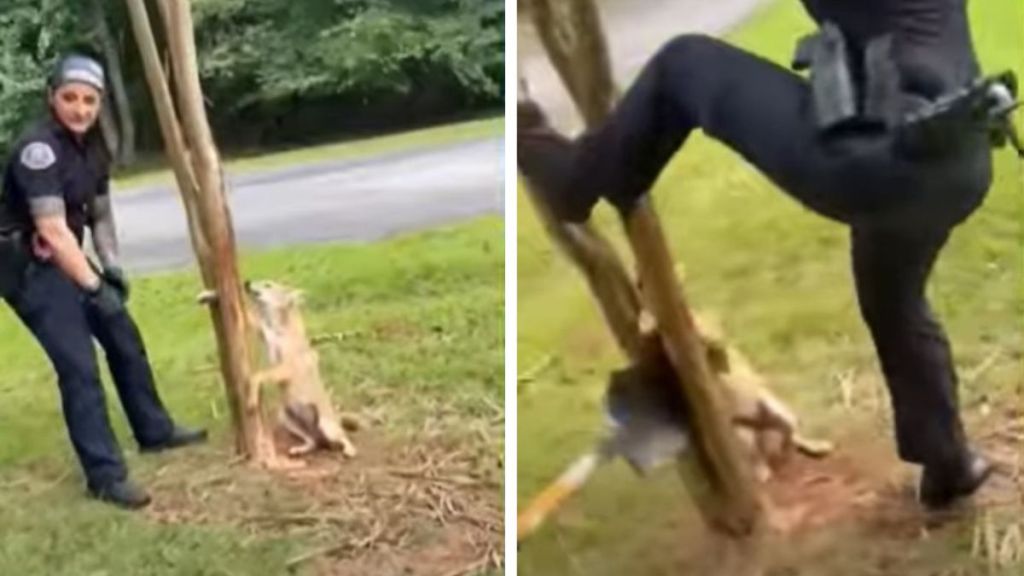
Ironically, it’s this deep sense of care that has made coyotes vulnerable to certain hunting practices. Hunters have been known to use distress calls mimicking yelping or crying pups to lure adult coyotes into traps or shooting range. It’s a heartbreaking tactic — one that depends entirely on the coyote’s instinct to protect and respond to family in need 😔
A Sacred Presence
Beyond their role in the wild, coyotes hold a deep spiritual significance for many Indigenous cultures across North America — the only continent they call home. Often seen as tricksters, teachers, and guides in Native storytelling, coyotes represent transformation, adaptability, and the balance between light and shadow.
To some, the coyote is a symbol of resilience — of laughing in the face of hardship, of finding creative ways to survive. In shamanic traditions, the coyote can appear in dreams or visions as a messenger, nudging us to see things differently or embrace change with a curious heart.
As we celebrate National Coyote Day, let’s not only honor the coyote’s role in the ecosystem — but also their sacred place in the spirit and story of this land.
How You Can Celebrate National Coyote Day
If you’re feeling inspired by these incredible animals, there are a few simple ways you can show your appreciation and compassion for coyotes today — and every day:
- Learn and Share: Spread awareness about the true nature of coyotes — as loyal mates, nurturing parents, and essential parts of healthy ecosystems. The more people know, the more they care.
- Respect Their Space: If you live in or near coyote territory, give them space and avoid feeding them. Coexistence starts with understanding boundaries.
- Support Ethical Wildlife Policies: Advocate for humane and science-based wildlife management in your community. Oppose inhumane hunting practices that exploit coyote family bonds.
- Celebrate Online: Post your favorite coyote facts, stories, or artwork on social media using hashtags like #CoyoteAwarenessWeek or #NationalCoyoteDay to help shift the narrative around these misunderstood animals.
- Connect with Local Wildlife Groups: Support or volunteer with organizations that work on coyote conservation and urban wildlife education.
Coyotes are more than clever survivors — they’re caretakers, communicators, and contributors to the wild world around us. Today’s a great day to honor them with a little kindness, curiosity, and respect.
Happy National Coyote Day!





 coyotepretty.ca